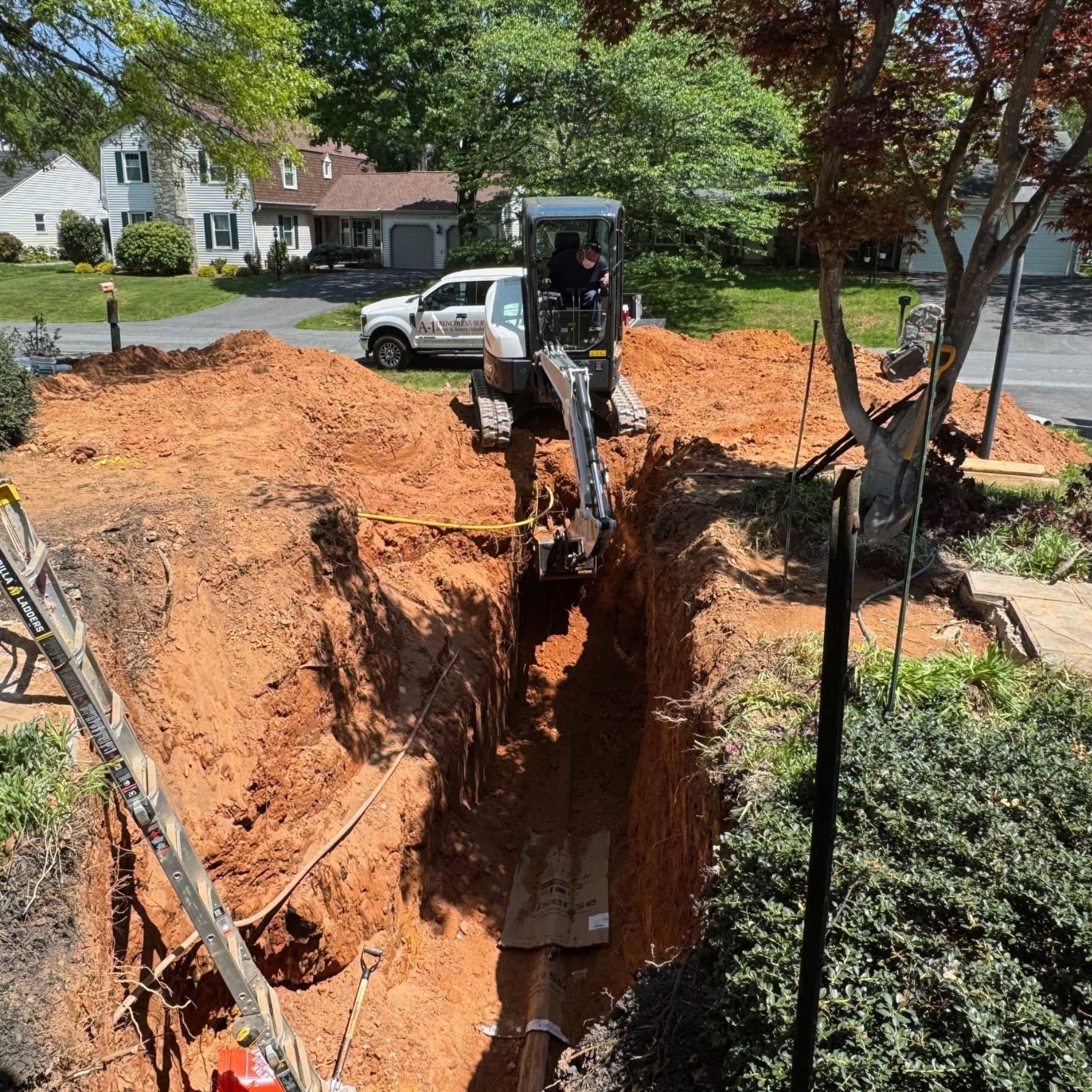
A slow sink is frustrating. A toilet that gurgles when the washing machine drains is different, it can point to a problem farther down the line. A professional main drain cleaning service addresses blockages in the primary sewer line that carries wastewater away from your home or building. Acting before that line backs up can protect floors, bathrooms, landscaping, and day-to-day operations.
Unlike a clog in one fixture, a main drain issue often affects several drains at once. The right solution depends on what is causing the restriction, where it is located, and the condition of the pipe itself. That is why experienced diagnosis matters as much as the cleaning process.
Signs Your Main Drain Needs Attention
Main drain problems rarely appear without warning, but the early signs are easy to dismiss. Water may drain slowly in more than one room. You may hear bubbling or gurgling from a toilet when a nearby sink, shower, or appliance empties. In some cases, water rises in a tub or shower when a toilet is flushed.
The most urgent warning is sewage or dirty wastewater coming up through a low drain, such as a basement shower, floor drain, or first-floor tub. Stop running water in the building when this happens. Continued use can add more wastewater to a line that cannot discharge properly, making the backup worse.
Odors can also be a clue. Persistent sewer smells near drains, utility rooms, or outside cleanout access points may indicate that wastewater is not moving through the pipe as it should. While an odor alone does not confirm a main line blockage, it is worth investigating before it develops into a more disruptive problem.
What Causes Main Sewer Line Blockages?
The cause is not always visible from inside the property. Grease, soap residue, wipes, paper products, food debris, and other materials can build up over time, especially in homes with older plumbing or commercial properties with higher daily use. Even products labeled flushable can collect in a line and catch other debris.
Outside the building, tree roots are a common issue. Roots naturally seek moisture and can enter small joints, cracks, or damaged sections of a sewer pipe. Once inside, they create a net that traps paper and waste. Root growth may be a recurring concern until the damaged section is repaired or replaced.
Age and pipe material also matter. Older cast iron lines can corrode internally, creating rough surfaces and scale that reduce flow. Clay tile and other aging underground pipes can shift, crack, separate at joints, or collapse. Cleaning may restore drainage temporarily, but a camera inspection can show whether the pipe has a deeper structural issue that needs repair.
How a Main Drain Cleaning Service Works
A dependable service visit starts with understanding the symptoms. A trained technician may ask which fixtures are affected, when the issue began, whether there has been a previous backup, and whether the property has large trees or an older sewer line. These details help determine whether the problem is likely in a branch drain, the main line, or the municipal connection.
The technician typically accesses the system through an existing cleanout or another appropriate entry point. Mechanical drain cleaning equipment can break apart or remove many common blockages. For heavy grease, sludge, scale, and accumulated debris, hydro jetting may be the better choice. This method uses high-pressure water to clean the interior of the pipe more thoroughly than a basic cable alone.
Neither approach is automatically right for every pipe. Hydro jetting is highly effective, but it should be used with care on severely deteriorated or damaged lines. Mechanical cleaning can clear a blockage quickly, yet it may not fully remove thick buildup along the pipe walls. The safest, most effective method depends on pipe material, condition, and the type of obstruction.
Why Video Inspection Makes a Difference
When a main line backs up repeatedly, clearing it without seeing inside the pipe can leave the real cause unanswered. A sewer camera inspection allows the technician to locate roots, cracks, offsets, heavy scale, collapsed sections, and other conditions that may be restricting flow.
This information helps prevent unnecessary digging and guesswork. If cleaning resolves the issue and the camera shows a sound pipe, the next step may simply be maintenance. If the inspection reveals a damaged sewer line, the property owner can make an informed decision about repair options, including trenchless repair or replacement when the situation qualifies.
When Cleaning Is Enough, and When It Is Not
A one-time blockage caused by an isolated buildup may be resolved with professional cleaning. This is common when debris has collected over time but the pipe remains intact. After service, simple habits such as keeping grease, wipes, and hygiene products out of drains can reduce the chance of another clog.
Recurring backups are different. If the same line needs clearing every few months, the pipe may have root intrusion, failing joints, internal corrosion, a sagging section, or damage from shifting soil. Repeated emergency cleaning can restore service, but it may become more expensive and disruptive than addressing the underlying issue.
For damaged underground pipes, trenchless methods can often reduce excavation. Depending on site conditions and the type of damage, a qualified contractor may be able to repair or replace a sewer line with far less impact on lawns, driveways, sidewalks, and landscaping than traditional digging. A camera inspection and site evaluation are necessary before recommending that option.
Main Drain Care for Homes and Commercial Properties
Homeowners should pay attention to changes in drainage, especially when several fixtures begin acting differently at the same time. Older homes, properties with mature trees, and homes with a history of sewer issues may benefit from periodic inspection or preventive cleaning. The proper schedule varies. A newer home with good drainage may not need routine main line service, while an older property with root-prone piping may need more frequent attention.
Commercial properties have additional considerations. Restaurants, multi-unit buildings, offices, and facilities with heavy restroom use can place greater demand on drain systems. Grease, paper products, and high-volume wastewater can turn a minor restriction into an operational problem quickly. Scheduled maintenance can help reduce emergency closures, tenant complaints, and sanitation concerns.
Avoid relying on harsh chemical drain cleaners for a suspected main line blockage. These products often do not reach or remove the real obstruction, and they can create hazards for people and potentially damage certain plumbing materials. They can also make professional service more dangerous if chemicals remain in the line.
Choosing the Right Drain Cleaning Team
Main line work calls for more than a quick fix. Look for a licensed and insured provider with the equipment to clean the line, inspect it with a camera when needed, and explain the findings in plain language. A clear recommendation should separate immediate restoration of flow from any longer-term repair that may be necessary.
Fast response matters during a backup, but so does transparency. You should understand what caused the problem, what was done to clear it, and whether the pipe showed signs of damage. A-1 Trenchless Water & Sewer Repair Services LLC combines advanced cleaning and camera technology with practical repair options to help Damascus-area property owners protect their plumbing and their property.
If multiple drains are slow, toilets are gurgling, or wastewater is appearing where it should not, do not wait for a full backup. Prompt professional attention can restore flow now and give you a clearer path to protecting the sewer system for the long term.
First published . Written by the A-1 Trenchless team.