A slow kitchen sink is frustrating. A toilet that bubbles when the washing machine drains, water backing up into a shower, or several fixtures stopping at once is different. Those are common signs that the blockage may be in your home’s main drain line. Knowing how to clear a main drain can help you limit damage, but the wrong approach can turn a manageable clog into a sewage backup or pipe damage.
The main drain carries wastewater from the fixtures in your home to the sewer connection or septic system. Because it serves the entire building, a blockage can affect more than one room and may require more than a plunger or a small hand snake. Start with safety, use the right equipment, and know when a professional inspection is the smarter next step.
First, Confirm It Is a Main Drain Clog
A clog in one sink, shower, or toilet is usually a local drain issue. A main drain clog affects multiple fixtures, often beginning at the lowest drains in the home. In a basement, that may mean a floor drain, shower, or utility sink backs up first because it is the lowest available opening.
Watch for warning signs such as toilets gurgling when a sink drains, water appearing in a tub after flushing, slow drains throughout the property, or sewage odors near floor drains. If these symptoms appear together, stop using water right away. Do not run the dishwasher, washing machine, or another shower while you investigate. Every gallon sent into the plumbing system can add to the backup.
If your property is on a septic system, widespread drainage problems can also point to a full tank, a failed pump, or a drain field problem. Clearing the pipe may not solve the issue if the system beyond the house cannot accept wastewater.
Find the Main Drain Cleanout
Most homes have a main drain cleanout, which is an access point designed for servicing the sewer line. It may be located in a basement, crawl space, utility room, garage, or outside near the foundation. Look for a capped pipe, often 3 or 4 inches wide, with a square nut or threaded cap.
Before opening it, protect the area. Put on gloves and eye protection, keep children and pets away, and place a bucket or shallow pan beneath the cleanout. Sewage may be standing in the line behind the cap. Open it slowly, turning your face away from the opening, and be prepared to tighten it again if wastewater begins spilling out quickly.
A full cleanout is useful information. It usually means the blockage is downstream from that access point, between the house and the municipal sewer or septic connection. If the cleanout is empty but fixtures are backing up, the blockage may be inside the home’s branch lines or in a different section of the drain system.
How to Clear a Main Drain With a Drain Cable
For a main drain clog, a powered drain cable machine is generally more effective than a small hand auger. Main sewer lines are commonly 3 or 4 inches in diameter, and the clog may be dozens of feet from the cleanout. Rental machines are available, but they are heavy and can be dangerous when used incorrectly.
If you are comfortable operating one, choose a cable machine intended for main sewer lines and follow the manufacturer’s instructions closely. Feed the cable slowly through the cleanout. Do not force it. When you feel resistance, allow the cutter head to work through the obstruction with controlled forward and backward movement. Forcing the cable can cause it to kink, bind, or damage older pipe.
Once the cable moves through the blockage, retrieve it gradually and carefully. Then run a small amount of water at first to see whether the line is flowing. If drainage improves, increase the flow slowly and check the cleanout area, basement drains, and lower fixtures for signs of another backup.
Do not assume a restored flow means the problem is fully resolved. A cable can punch a narrow opening through roots, grease, or heavy scale without removing the material from the pipe walls. If the line clogs again soon, the underlying condition needs a closer look.
Do Not Use Chemical Drain Cleaners in a Main Line
Chemical drain cleaners are a poor solution for a suspected main drain blockage. They rarely reach or dissolve a large obstruction deep in a sewer line, especially when standing water is present. Instead, they can sit in the pipe, create harmful fumes, damage aging metal pipes, and expose anyone opening the line to caustic liquid.
Avoid flushing repeated loads of hot water, too. Hot water may help with a minor grease buildup near a kitchen drain, but it will not remove roots, collapsed pipe, heavy mineral scale, wipes, or a blockage far down the main line. Sending more water into a blocked system increases the risk of wastewater entering the home.
When a Cable Is Not Enough
Many main drain blockages are symptoms of a larger sewer line problem. Tree roots can enter through joints or cracks and catch paper and debris. Grease can harden inside the pipe. Older cast iron can corrode and develop rough scale that repeatedly traps waste. Clay, Orangeburg, or damaged plastic pipe can shift, crack, or collapse underground.
These issues require more than guesswork. A video camera inspection shows where the blockage is located, what is causing it, and whether the pipe has structural damage. That information helps prevent paying for repeated drain cleaning when the line actually needs repair or replacement.
Hydro jetting is often a stronger option for grease, sludge, scale, and recurring buildup. This service uses controlled high-pressure water to clean the inside of the pipe more thoroughly than a cable alone. However, hydro jetting is not right for every line. A severely deteriorated, broken, or collapsed pipe should be inspected before high-pressure cleaning is used.
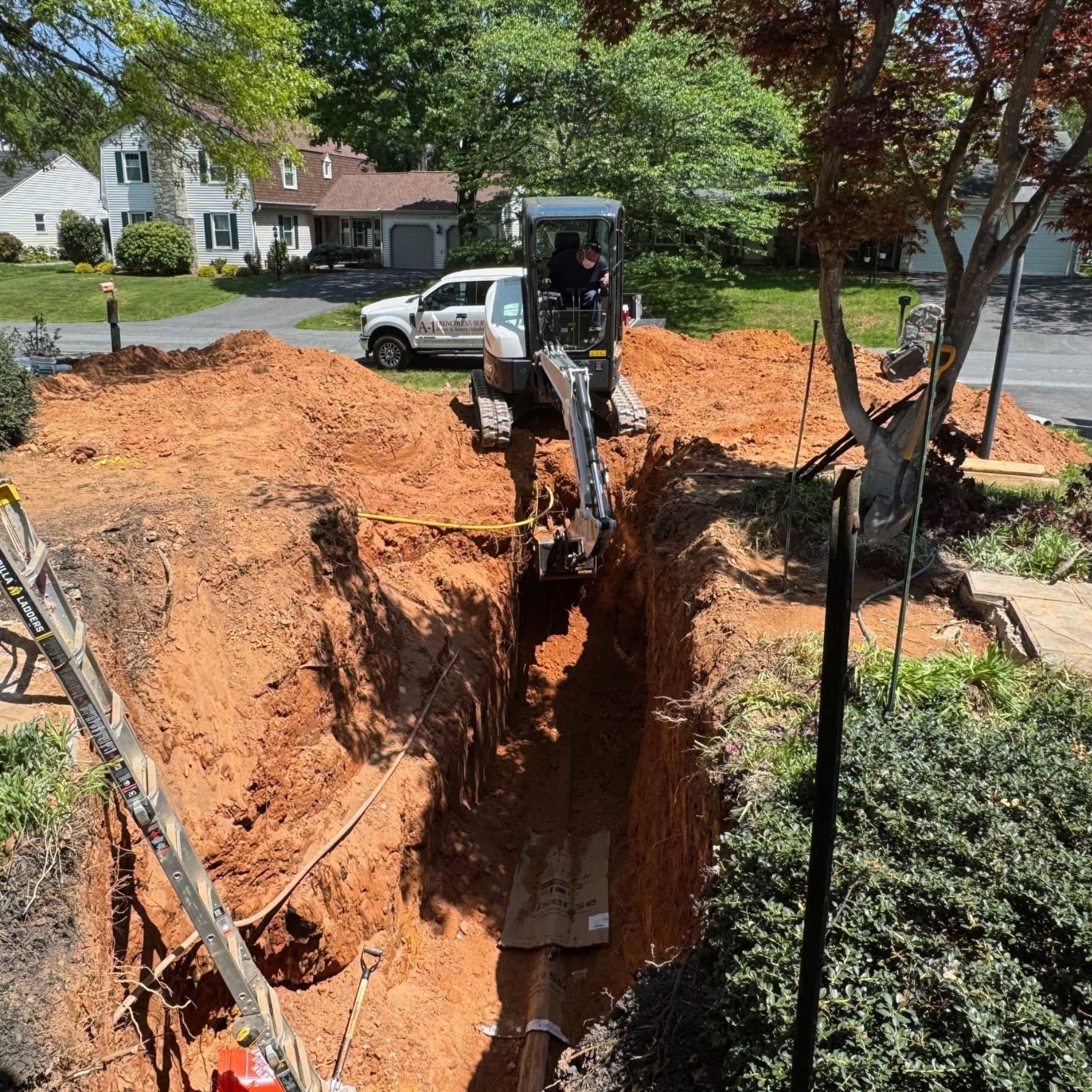
For damaged underground sewer lines, trenchless repair or replacement may restore the line with less disturbance to landscaping, driveways, and hardscaping than conventional excavation. The right solution depends on the pipe material, the location and extent of damage, and the condition of the surrounding utility connections.
Call for Professional Help Right Away If You Notice These Signs
A main drain blockage deserves prompt attention when wastewater is backing into the building or the problem keeps returning. Professional service is especially important if you notice any of the following:
- Sewage coming up through a basement floor drain, tub, shower, or toilet
- Multiple drains backing up after using only a small amount of water
- A drain cable that will not advance, repeatedly binds, or brings back roots
- Recurring clogs after previous snaking or drain cleaning
- Wet areas, sewage odors, or sinkholes outside near the sewer line route
- An older sewer line with a known history of roots, corrosion, or breaks
A trained drain and sewer technician can clear the obstruction, inspect the line with a camera, and explain the condition of the pipe in plain terms. That approach gives property owners a clear answer instead of a temporary fix and a second emergency a few weeks later.
Prevent the Next Main Drain Backup
No drain system is immune to problems, but a few habits reduce the risk. Keep grease, coffee grounds, food scraps, wipes, paper towels, hygiene products, and excessive paper out of drains and toilets. Even products labeled flushable can collect in bends, root intrusions, or rough pipe interiors.
If your home has mature trees near the sewer route or an older sewer line, periodic camera inspections and preventive cleaning can be worthwhile. Commercial properties may need a more regular maintenance schedule because kitchens, restrooms, and high daily use put more demand on the drain system.
For homeowners and property managers in the Damascus area, A-1 Trenchless Water & Sewer Repair Services can provide drain cleaning, camera inspections, hydro jetting, and minimally invasive sewer repair options when a main drain problem goes beyond a simple clog. Fast action protects floors, walls, belongings, and the plumbing system beneath your property.
When several drains start acting up at once, treat it as an early warning rather than a minor inconvenience. Stop the water, protect the space, and get a clear diagnosis before a slow drain becomes a costly backup.
First published . Written by the A-1 Trenchless team.