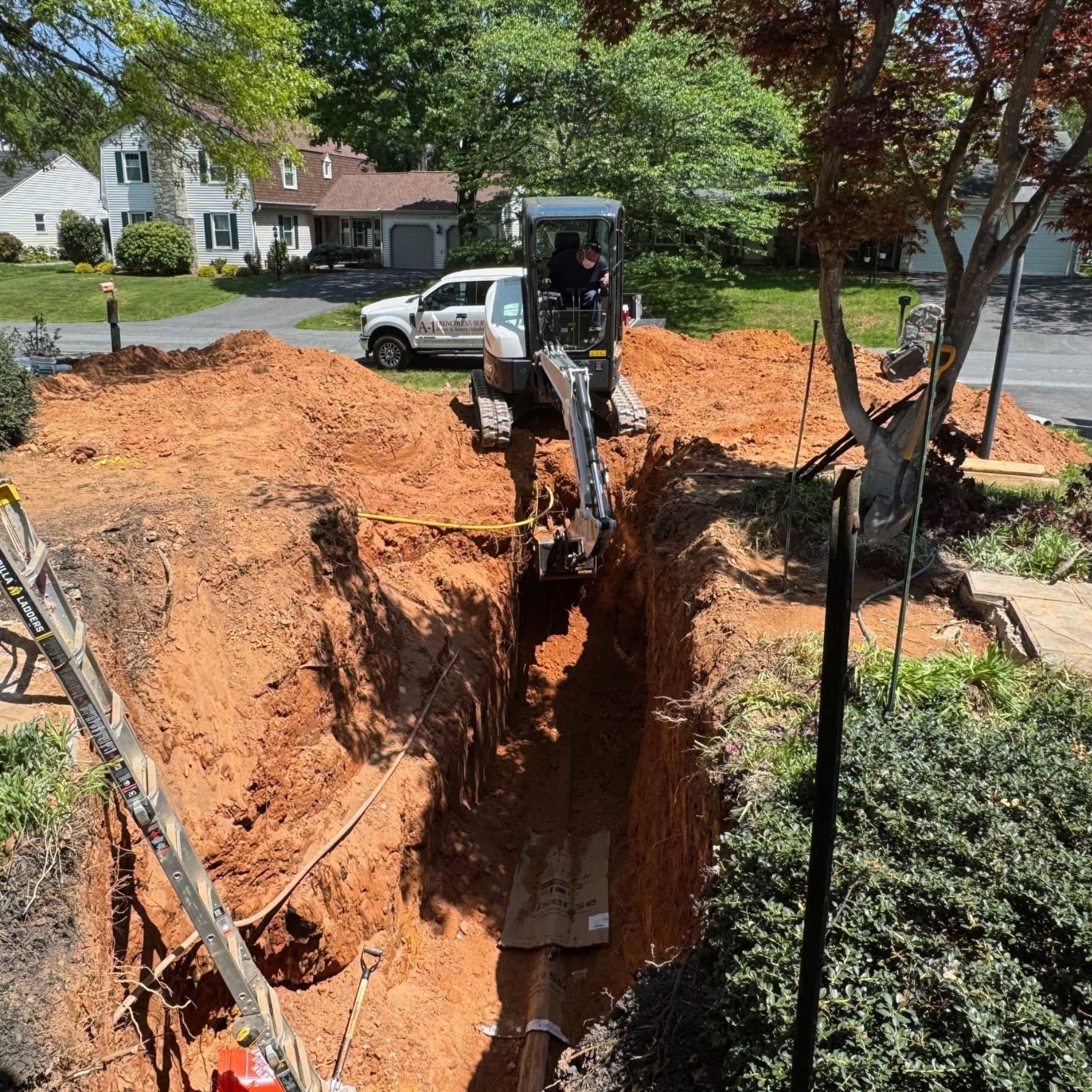
A sewer backup rarely arrives at a convenient time. One day the drains are slow, and the next you may be dealing with wastewater in a basement, a foul odor in the yard, or a line that has stopped moving waste away from the property altogether. This guide to sewer line financing can help you make a clear decision when a necessary repair was not part of the budget.
The goal is not to finance a repair blindly or delay a serious problem while searching for the perfect payment option. It is to understand the condition of the line, compare realistic ways to pay, and choose a repair plan that protects your home or building with manageable payments.
Start With a Clear Diagnosis and Written Estimate
Before considering financing, make sure you know what is actually wrong. Sewer symptoms can come from a localized clog, root intrusion, scale buildup, a cracked pipe, a separated joint, a collapsed section, or a problem farther down the system. These issues do not carry the same repair cost or require the same solution.
A professional video camera inspection gives you a better starting point. It allows the technician to see inside the pipe, identify the location and likely cause of the failure, and determine whether cleaning, spot repair, trenchless rehabilitation, or replacement makes sense. A camera inspection also helps prevent financing a major excavation when a less invasive repair may solve the problem.
Ask for a written estimate that separates the recommended work from any alternatives. It should explain the repair method, the affected area of the line, expected timeline, permit needs when applicable, restoration expectations, and warranty details. A lower initial quote is not always the better value if it leaves damaged pipe in place or creates a larger landscaping bill later.
When Sewer Line Financing Makes Sense
Financing is often useful when the repair is urgent and paying the full amount at once would create a hardship. A failed sewer line can damage floors, walls, stored belongings, landscaping, and daily operations. For a business or facility, it can also disrupt tenants, customers, staff, and sanitation requirements.
It can also make sense when the right repair costs more upfront but avoids repeat work. For example, trenchless sewer repair or replacement may have a higher direct project cost than a limited temporary fix, but it can reduce digging and help preserve driveways, sidewalks, mature landscaping, and other finished areas. The best choice depends on the pipe condition and the property layout.
Financing should not be used to make an unclear diagnosis feel easier to accept. If you do not understand why a repair is recommended, ask the contractor to walk you through the camera findings and explain what could happen if the issue is postponed. A dependable contractor should be able to explain the options in straightforward terms.
A Practical Guide to Sewer Line Financing Options
The financing option that fits best depends on the urgency of the problem, the repair amount, your available savings, and the terms you qualify for. Review the total cost of borrowing, not just the monthly payment.
Contractor-Supported Financing
Many plumbing and underground repair companies work with third-party financing providers. This can be a convenient option because the application process is often quick and the financing is connected directly to the approved repair estimate.
Terms vary by provider and applicant. Some plans may offer promotional periods, fixed monthly payments, or longer repayment terms. Read the agreement closely. A low payment over a long term may increase the total amount paid, while deferred-interest promotions can become expensive if the balance is not paid according to the required terms.
Ask whether there is a down payment, whether payments begin immediately, whether there are prepayment penalties, and what happens after any promotional period ends. At A-1 Trenchless Water & Sewer Repair Services, the team can discuss available financing options alongside the repair recommendation so you can evaluate the work and payment plan together.
Home Equity or Personal Loans
For planned work or larger projects, a home equity loan, home equity line of credit, or personal loan may be worth comparing. Home equity products can sometimes provide favorable rates, but they usually take longer to arrange and use your property as collateral. That timing may not work during an active backup or major pipe break.
Personal loans may fund more quickly and do not require home equity, though qualification, interest rates, and repayment terms differ widely. Compare the annual percentage rate, origination fees, monthly payment, and total repayment amount before choosing one.
Credit Cards and Available Savings
A credit card may be useful for a smaller repair, diagnostic visit, or deposit, especially if you can pay the balance quickly. It is usually a less attractive choice for a major sewer replacement if the interest rate is high.
Using savings can avoid interest entirely, but do not drain every emergency reserve without considering what comes next. Homes and commercial properties can have more than one maintenance need at a time. A balanced plan may involve a down payment from savings and financing for the remaining amount.
Insurance, Warranties, and Service Line Coverage
Do not assume a standard property insurance policy covers a failed sewer line. Coverage depends on the policy and the cause of damage. Some policies may include or offer endorsements for sewer backup, while separate service line coverage may help with certain buried utility repairs. Wear, corrosion, root intrusion, and gradual deterioration are often treated differently from sudden accidental damage.
If you plan to file a claim, contact your insurer promptly and document the issue with photos, inspection findings, invoices, and repair recommendations. Be careful about delaying necessary emergency work solely to wait for an answer. Ask your contractor what documentation can be provided and coordinate with your insurer when possible.
Compare Repair Value, Not Just the Monthly Payment
The monthly number matters, but it should not be the only number driving the decision. Compare each repair path based on the scope of work, property disruption, expected durability, warranty, and likelihood of needing additional repairs soon.
A conventional excavation may be necessary when a line is severely collapsed, access is limited, or a specific condition calls for digging. In other situations, trenchless methods can repair or replace a damaged line with much less disturbance to the property. Camera-based diagnostics and advanced equipment help determine which approach is appropriate rather than treating every sewer problem the same way.
For commercial and municipal properties, factor in operational costs as well. A repair that finishes faster and limits excavation may reduce downtime, traffic disruption, cleanup needs, and tenant complaints. The lowest project price can become expensive if it creates avoidable restoration work or leaves a recurring failure behind.
Questions to Ask Before You Apply
Before accepting any financing arrangement, get direct answers to the details that affect your budget. You should know the full project price, the amount being financed, the interest rate or annual percentage rate, the repayment term, estimated monthly payment, late-payment policies, and total amount you could repay.
Also ask whether the estimate includes permits, camera inspection, cleaning, excavation if needed, restoration allowances, and disposal. If a repair involves unknown underground conditions, ask how change orders are handled. Transparent communication protects you from surprises and makes it easier to compare one proposal with another.
If the sewer line is still functioning but showing early warning signs, use that time wisely. Get the line inspected, request repair options, and investigate financing before an emergency forces a rushed decision. Slow drains, recurring clogs in multiple fixtures, gurgling toilets, sewage odors, and wet patches over the line are all reasons to schedule an evaluation.
A sewer line repair is a major property decision, but it does not have to become a financial emergency on top of a plumbing emergency. Get a clear diagnosis, choose a repair that addresses the real problem, and select payment terms you can comfortably manage. Taking action early can protect the property, limit disruption, and restore confidence every time you use the plumbing.
First published . Written by the A-1 Trenchless team.