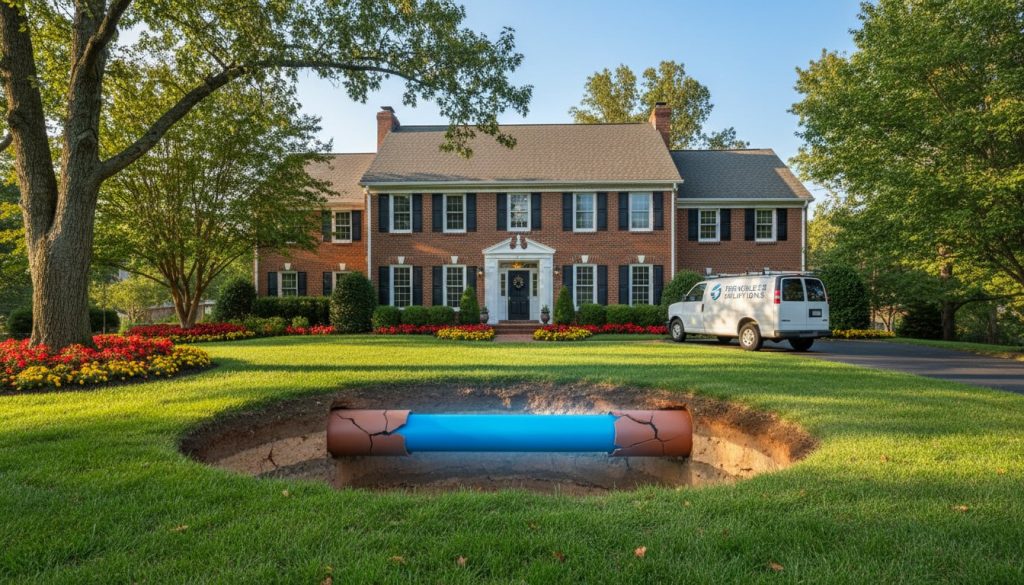
A drain that keeps backing up in an older home can put you in a tough spot fast. You want a real fix, not another temporary clearing, but you also do not want to damage an aging sewer or drain line. That is why so many property owners ask, is hydro jetting safe for old pipes? The honest answer is yes in many cases, but only after the pipe condition is properly checked.
Hydro jetting is powerful by design. It uses high-pressure water to cut through grease, sludge, soap buildup, scale, and even intrusive roots in some situations. That makes it one of the most effective ways to restore flow and clean pipe walls thoroughly. But older pipes are not all the same, and age alone does not tell you whether hydro jetting is the right move.
Is hydro jetting safe for old pipes in every case?
Not in every case, and that is exactly why the inspection step matters.
An older pipe may still be structurally sound even if it is decades old. Cast iron, clay, and some older sewer materials can often handle hydro jetting well when the pipe is intact and the pressure is adjusted correctly. On the other hand, a pipe that is already cracked, heavily corroded, offset, collapsed, or weakened by previous damage may not be a good candidate.
The risk is not usually that hydro jetting somehow ruins a healthy pipe. The bigger issue is that high-pressure water can expose or worsen damage that was already there. If a line is fragile enough that normal cleaning could push it past the edge, that line has a condition problem, not just a clog problem.
This is why experienced contractors do not treat every backup the same way. They verify what is happening inside the pipe before choosing the cleaning method.
What makes an old pipe safe or unsafe for hydro jetting?
The answer comes down to condition, material, and severity of buildup.
A camera inspection gives the clearest picture. If the inside of the line shows solid walls, manageable buildup, and no major structural defects, hydro jetting may be the best option. It can remove years of residue that a cable machine might only punch through. That deeper cleaning is often what helps prevent recurring backups.
If the camera reveals major cracks, separated joints, channel rot in cast iron, or a belly holding water and debris, the approach may need to change. In that case, the safest choice could be a lower-impact cleaning method, spot repair, trenchless rehabilitation, or full replacement depending on the extent of the damage.
Material matters too. Older clay sewer lines can sometimes be jetted successfully, but they are also more vulnerable to root intrusion and joint separation. Cast iron can benefit from jetting when scale buildup is the main problem, but severe internal corrosion may limit how aggressive the cleaning should be. Orangeburg pipe is a different story altogether. Because it is a bituminous fiber pipe that deforms and deteriorates with age, it is often a poor candidate for high-pressure cleaning.
Why hydro jetting can be the right choice for aging drains
When the pipe is still structurally reliable, hydro jetting offers a few major advantages.
First, it cleans more completely than many traditional methods. A drain snake can break through a blockage and get water moving again, but it often leaves residue behind on the pipe walls. Grease, sludge, and mineral scale build back faster when that material stays in place. Hydro jetting scrubs the interior much more thoroughly.
Second, it can reduce repeat service calls. For homeowners and facility managers, that matters. If you are dealing with a kitchen line, a main sewer, or a commercial drain that clogs over and over, partial clearing can become expensive and frustrating. A more complete cleaning can buy you more time and better performance.
Third, it helps reveal the true condition of the line. Sometimes heavy buildup hides defects from view. Once the pipe is cleaned properly, a follow-up camera inspection may show whether the line is still worth maintaining or whether repair should be planned.
When hydro jetting is not the safest option
There are situations where a different strategy makes more sense.
If the line has already collapsed in part, hydro jetting will not solve that. If there is a major break or separation, pressurized water may simply escape through the damaged section. If corrosion has eaten away a cast iron line to the point that the wall thickness is seriously compromised, aggressive cleaning may do more harm than good.
The same goes for lines with heavy root intrusion and weak joints. Hydro jetting can cut roots, but if roots have already caused significant separation or pipe movement, cleaning alone is not enough. The root problem will keep coming back until the structural issue is addressed.
This is where a dependable contractor adds value. The goal should not be to sell hydro jetting every time. The goal should be to choose the method that protects the pipe and solves the problem with the least disruption possible.
How professionals reduce risk before hydro jetting old pipes
The biggest safety factor is not the machine. It is the decision-making behind it.
A professional team will typically start with symptoms, pipe history, and line location. Then they use camera equipment to check the interior condition. That inspection shows whether the pipe has scale, grease, roots, offset joints, fractures, standing water, or collapse. From there, the technician can match the pressure level and nozzle type to the pipe material and condition.
That matters because hydro jetting is not one fixed setting. Properly trained technicians adjust the process based on what the line can handle and what needs to be removed. A healthy older line with grease and sludge buildup may be cleaned very effectively without unnecessary stress. A questionable line may be cleaned more cautiously or not jetted at all.
At A-1 Trenchless Water & Sewer Repair Services LLC, that kind of front-end evaluation is exactly what helps property owners avoid guesswork. Fast service matters, but making the right call matters more.
Signs your old pipes should be inspected before any cleaning
If you are dealing with frequent backups, slow drains throughout the property, foul odors, gurgling fixtures, or wet spots in the yard, it is smart to inspect first rather than assume it is a simple clog.
The same is true if your home or building has older cast iron, clay, or Orangeburg piping, or if you have never had the sewer line scoped before. Repeated snaking without inspection can keep treating the symptom while the actual pipe condition gets worse.
A camera inspection is especially valuable before hydro jetting if you recently bought an older property. It tells you whether the line is basically solid with buildup, or whether the clogging is a warning sign of a larger repair issue.
Hydro jetting versus snaking for old pipes
This is not really a contest where one method always wins.
Snaking is useful for certain stoppages, especially when a quick opening is needed. It can restore flow and help diagnose whether a blockage is local or deeper in the line. In some older systems, it may be the safer first step if the pipe condition is still unknown.
Hydro jetting is usually the stronger long-term cleaning option when inspection shows the pipe can handle it. It clears more material, cleans more evenly, and often performs better on grease, sludge, and scale. But it should be used with judgment, not as a one-size-fits-all answer.
For many aging systems, the right sequence is inspection first, then the least risky effective solution.
The real question is not age – it is condition
A 60-year-old pipe that is intact may be a better candidate for hydro jetting than a 20-year-old pipe with hidden defects. That is why broad rules about old plumbing can be misleading.
If your sewer or drain line has buildup but the structure is sound, hydro jetting can be a safe and highly effective way to restore performance. If the line is damaged, worn through, or unstable, repair should come before aggressive cleaning. The smart move is not to guess based on age alone.
When you are dealing with older plumbing, the safest path is a clear diagnosis, the right equipment, and a team that knows when to clean and when to repair. That approach protects your pipes, your property, and your budget – and it gives you a lot more confidence in the next step.