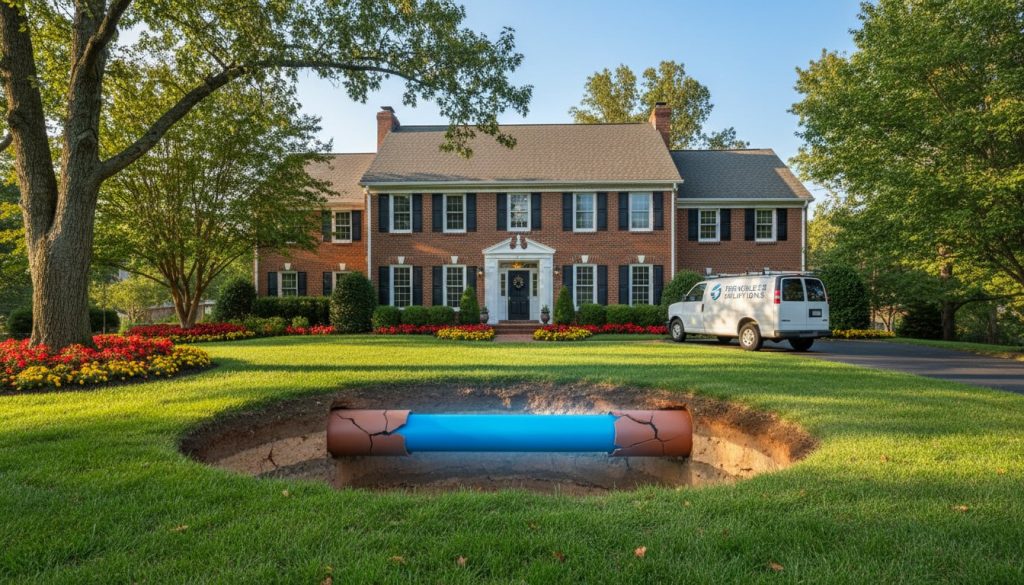
A torn-up yard, a backed-up sewer line, and a repair quote you were not expecting – that is usually when a homeowner guide to trenchless replacement becomes useful. If you are dealing with an aging sewer or water line, the big question is simple: can the pipe be replaced without digging up the whole property?
In many cases, yes. Trenchless replacement is designed to solve underground pipe problems with far less disruption than traditional excavation. That means less damage to landscaping, driveways, patios, and walkways, along with a faster path back to normal. It is not the right answer for every property, but when conditions are a good fit, it can save time, reduce cleanup, and make a stressful repair much more manageable.
What homeowners should know about trenchless replacement
Trenchless replacement is a method of replacing or restoring underground piping without opening a long trench across the yard. Instead of digging from one end of the damaged pipe to the other, a contractor usually accesses the line through one or two entry points. From there, specialized equipment is used to either install a new pipe along the same route or create a new pipe within the existing one.
For homeowners, the appeal is obvious. You still get a serious underground repair, but with much less surface disruption. If your sewer line runs under mature landscaping, hardscaping, or a driveway, that matters. Traditional digging can add restoration costs that go well beyond the plumbing work itself.
That said, trenchless does not mean no digging. It means less digging. Access pits are still often required, and some projects need a combination of trenchless work and conventional excavation depending on the condition of the line and the layout of the property.
When trenchless replacement makes sense
A trenchless solution is often worth considering when the existing line has failed due to age, cracking, root intrusion, corrosion, offsets, or repeated backups. If you have had the same drain or sewer issue more than once, patchwork fixes may stop making financial sense. At that point, replacement becomes less about a single clog and more about restoring the reliability of the whole system.
This approach is especially useful when the pipe runs under expensive or difficult-to-replace surfaces. A line beneath a concrete driveway, finished landscaping, fencing, or outdoor living space can make open trench excavation more disruptive and more costly once restoration is included.
It also makes sense for homeowners who want a faster project timeline. In many cases, trenchless work can be completed more quickly than traditional replacement because there is less excavation, less hauling, and less reconstruction afterward.
Still, it depends on the pipe material, its depth, the amount of collapse, and whether the route can safely support trenchless installation. A camera inspection is usually the first step because guessing is how small problems turn into expensive ones.
A homeowner guide to trenchless replacement methods
Most residential trenchless replacements fall into two categories: pipe bursting and cured-in-place solutions. Both reduce surface disruption, but they solve the problem in different ways.
Pipe bursting replaces the old line by pulling a bursting head through the existing pipe path. That head breaks apart the old pipe while drawing in a new pipe behind it. This is often a strong option when the goal is full replacement and the line has enough surrounding space for the new pipe to be pulled through safely.
Cured-in-place methods create a new interior lining inside the existing pipe. A resin-saturated liner is inserted into the damaged line, then hardened in place to form a durable new pipe wall within the old structure. This can work well when the original pipe path is still usable and the damage is significant but not so severe that the line has fully collapsed.
The best method depends on field conditions, not marketing language. A dependable contractor should inspect the line, explain why a certain method fits, and be honest when conventional digging is still the better choice.
The inspection process comes first
Before any replacement plan is approved, the line should be inspected with a sewer camera or similar diagnostic equipment. This is one of the most important parts of the job because it confirms what is actually happening underground.
A proper inspection can reveal root intrusion, cracked sections, corrosion, offsets, bellies, partial collapse, and buildup that may affect installation. It also helps identify line depth, access points, and whether the path is suitable for trenchless equipment.
In some cases, cleaning the line first is necessary so the camera can see clearly. Hydro jetting or mechanical cleaning may be used to remove debris, grease, roots, or scale before the final evaluation. That extra step can make the difference between a clear recommendation and an incomplete one.
For a homeowner, this stage should bring clarity. You should know what failed, where it failed, and what repair options are realistic for your property.
Cost: what affects the price
Homeowners often ask if trenchless replacement costs more than traditional digging. The honest answer is that it can, but not always once the full project is considered.
The plumbing portion of a trenchless job may be higher in some cases because it uses specialized equipment, trained crews, and advanced installation methods. But if traditional excavation means tearing through a driveway, removing landscaping, or rebuilding hardscape features, total project costs can shift quickly. What looks cheaper at the start may cost more after restoration.
Price is typically affected by pipe length, depth, material, access, local permitting, soil conditions, and the amount of prep work needed. A heavily blocked line that requires cleaning and descaling before installation may cost more than a straightforward replacement. A fully collapsed section may also limit which trenchless method can be used.
This is also where financing can matter. When a sewer or water line fails, most homeowners are not planning for it. Having flexible payment options available can make it easier to move forward with the right repair instead of delaying a problem that will likely get worse.
How long the work usually takes
One reason many homeowners prefer trenchless work is speed. Once diagnostics, approvals, and access planning are complete, the actual replacement can often move faster than a conventional dig-and-replace project.
That does not mean every job is a one-day fix. Permits, inspections, utility locating, cleaning, and site conditions can all affect the schedule. Weather can also play a role, especially if access pits are needed in saturated ground.
What homeowners should expect is a shorter and more controlled jobsite compared with a full trench excavation. There is usually less mess, fewer disturbed areas, and less restoration required after the pipe work is finished.
Questions to ask before approving the work
If you are comparing estimates, focus on clarity as much as price. Ask whether the contractor performed a camera inspection, which trenchless method is being recommended, and why. Ask what parts of the property will still need to be opened and what restoration is included or excluded.
You should also ask about pipe material, expected service life, permits, warranties, and whether the crew is licensed and insured. A serious underground repair is not the place for vague answers.
A company that handles both trenchless and conventional sewer work can be especially helpful because the recommendation is more likely to be based on what the property needs, not just on selling one method. That practical approach is part of what homeowners in Damascus and nearby areas often look for when choosing a contractor like A-1 Trenchless Water & Sewer Repair Services LLC.
Is trenchless always the best option?
No, and that is worth saying clearly. If the line has severe structural failure, poor access, major grade issues, or conditions that prevent safe installation, traditional excavation may still be necessary. Some jobs also involve sections that can be lined and sections that need to be dug up. Real-world plumbing does not always fit into neat categories.
What matters most is getting the right fix for the problem, not forcing a trendy method onto a bad situation. Trenchless replacement is valuable because it can reduce disruption and restore long-term function, not because it replaces every other repair approach.
If your property is showing signs of underground pipe trouble – repeated backups, foul odors, soggy spots, unexplained slow drains, or sudden drops in water pressure – the smartest next step is not to guess. Get the line inspected, understand your options, and choose a repair path that protects both your plumbing and your property.