A drain that keeps backing up is rarely a one-time annoyance. If you have cleared the same sink, shower, floor drain, or toilet more than once, the real question is usually not how to open it again – it is what causes recurring drain clogs in the first place.
In many homes and commercial buildings, repeat clogs point to a deeper issue somewhere in the line. Sometimes the problem is close to the drain opening, like hair, soap buildup, or grease. Other times, the clog keeps returning because the pipe itself is damaged, scaled, bellied, or blocked farther down the system. That is why a quick fix can restore flow for a day or a week, but not solve the problem for good.
What causes recurring drain clogs in a healthy-looking system?
One reason repeat clogs are so frustrating is that the plumbing may seem fine between backups. Water still drains, just slowly. Odors come and go. You may notice gurgling, but nothing dramatic enough to feel like an emergency until the line blocks again.
That pattern usually means waste is still getting through, but not efficiently. Instead of moving freely, debris catches on residue, rough pipe walls, or partial obstructions and gradually builds back up. The drain is never fully restored, so the same symptom returns.
In a kitchen line, grease is one of the most common causes. Hot grease may go down as a liquid, but it cools inside the pipe and sticks to the walls. Over time, it traps food particles and creates a narrowing that keeps rebuilding after each temporary clearing. Even store-bought drain cleaners or a small hand snake may only punch a hole through the blockage instead of removing the full layer.
Bathroom drains have their own repeat offenders. Hair combines with soap scum, toothpaste residue, and personal care products to form thick clumps that cling to the sides of the pipe. In showers and tubs, this often starts as a slow drain and turns into standing water. In bathroom sinks, the buildup can collect around the stopper assembly and farther down the branch line.
Toilets that clog repeatedly may be dealing with too much paper, non-flushable wipes, hygiene products, or a developing restriction in the drain line. If more than one fixture is acting up, the issue may not be the toilet itself at all. It may be a shared branch line or the main sewer line.
The hidden pipe problems behind recurring drain clogs
When basic buildup is not the full story, the condition of the pipe matters. Older drain lines can develop corrosion, scaling, cracks, offset joints, or sections that no longer hold proper grade. These are the cases where clogs keep coming back because the pipe gives debris a place to catch.
Pipe scale is a major example. In cast iron or older metal lines, mineral deposits and corrosion can create a rough interior surface. Even when the line is partially open, waste does not move as smoothly as it should. Grease, paper, and organic matter stick to that roughness and start the clog cycle all over again.
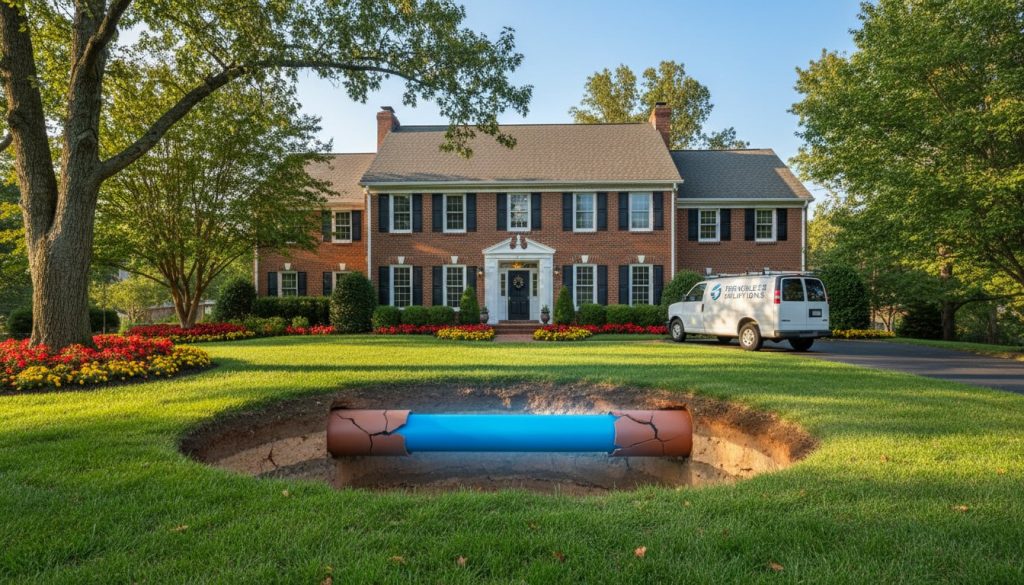
A belly in the line can cause the same kind of trouble. This happens when part of the underground pipe settles and creates a low spot where water and solids collect. Instead of flowing steadily toward the sewer, material lingers in the sagging section. The result is slow drainage, repeat stoppages, and backups that seem to return without warning.
Cracked or separated pipes can also lead to recurring clogs. Soil may shift, joints may open, or sections may become misaligned over time. Waste catches at those transitions, especially in older systems or properties with a history of ground movement.
Tree roots are a common answer to what causes recurring drain clogs
If the drain problems involve multiple fixtures or happen more often after rain, tree roots are worth serious consideration. Roots naturally seek moisture, and even a small crack or loose joint in a sewer line can attract them.
Once roots enter the pipe, they do not just stay in one place. They expand, trap debris, and slow the line more each time waste flows through. A cable machine may cut through some of the growth, but if the roots are not fully addressed, the blockage often returns. That is why root-related clogs are one of the biggest reasons homeowners feel like they are paying for the same drain problem again and again.
This is also where proper diagnosis matters. A recurring root issue may need more than routine drain cleaning. Depending on the pipe condition, the best long-term solution could be hydro jetting, pipe descaling, trenchless repair, or targeted replacement of the damaged section.
Why store-bought fixes often do not last
It is understandable to try the fastest option first. A plunger, hand auger, or off-the-shelf drain product can sometimes get water moving again. But recurring clogs usually mean the line needs to be cleaned more completely or inspected more carefully.
Chemical cleaners are especially unreliable for repeat problems. They may not reach the full blockage, and they rarely remove grease, roots, scale, or structural defects. In some cases, repeated use can even add risk by introducing harsh chemicals into already aging pipes.
Mechanical clearing has limits too. A small snake can open a path through a soft clog, but it may leave most of the buildup behind. That is why the drain seems fixed at first, then slows down again shortly after.
When a camera inspection changes the answer
If you want to know what causes recurring drain clogs on your property, the most useful step is often a video inspection. Instead of guessing, a camera inspection shows what is actually happening inside the line.
This can reveal whether the problem is grease, roots, scale, wipes, a belly, cracked pipe, or a combination of issues. It also helps determine whether a standard cleaning is enough or whether the line needs a more durable repair plan.
For property owners, this matters because not every recurring clog should be treated the same way. A line with heavy buildup may respond well to hydro jetting. A corroded cast iron drain may need descaling before regular flow is restored. A broken sewer section may keep clogging until it is repaired. When the right fix is matched to the actual condition, you avoid repeat service calls and ongoing disruption.
Signs the clog is part of a bigger sewer problem
A single slow sink does not always mean a major line issue. But recurring drain clogs deserve closer attention when you notice multiple warning signs at once.
If more than one drain is slow, if toilets bubble when sinks run, if foul odors keep coming back, or if backups show up in lower-level drains, the problem may be farther down the system. Wet spots in the yard, unusually green patches over the sewer line, or backups that worsen during storms can also point to a damaged underground pipe.
For commercial properties and multi-use buildings, recurring clogs can have a bigger operational impact. Restrooms, break rooms, floor drains, and kitchen lines do not just affect convenience. They affect sanitation, tenant satisfaction, and day-to-day business continuity. In those settings, temporary clearing is often the most expensive approach in the long run because the disruption keeps coming back.
The best way to stop recurring drain clogs for good
The right solution depends on the cause. Some lines simply need professional drain cleaning that fully removes grease, sludge, and debris. Others need hydro jetting to scour the pipe walls more thoroughly. Older pipes with internal corrosion may benefit from descaling. And if the issue comes from root intrusion, breaks, or failed sections, repair or replacement may be the only lasting answer.
That is where a company with both diagnostic tools and repair capability makes a difference. A-1 Trenchless Water & Sewer Repair Services LLC approaches repeat drain issues by identifying the actual source first, then recommending the most practical fix with as little disruption to the property as possible.
If your drains keep clogging, the pattern is telling you something. The sooner you find out what it is, the easier it is to protect the pipe, prevent backups, and restore dependable flow before a nuisance turns into a larger repair. A persistent clog is not just bad luck – it is usually a sign the system needs a clearer answer.