A sewer backup can feel sudden, but most sewer problems build up quietly inside the pipe long before wastewater reaches your tub, toilet, floor drain, or basement. Slow drains, bubbling toilets, bad smells, and recurring clogs are often early warnings that the main line needs attention. A sewer camera inspection gives homeowners a clear look inside the sewer line before a messy backup happens.
Since the sewer line is underground, guessing can lead to the wrong fix. A drain may be cleared today and clog again next month because the real issue is still deeper in the pipe. Roots, grease, cracks, offsets, scale, and collapsed sections can all restrict flow. Once the pipe cannot move wastewater properly, the home can be at risk for damage, cleanup costs, and major disruption.
A damaged sewer line can make any homeowner anxious. One day the drains are slow, then a toilet starts bubbling, then wastewater backs up into the tub or basement floor drain. When that happens, it is easy to imagine the worst: a torn-up yard, broken concrete, and days of messy excavation. For many homeowners, trenchless sewer repair in Maryland offers a cleaner and less disruptive way to solve certain underground sewer problems.
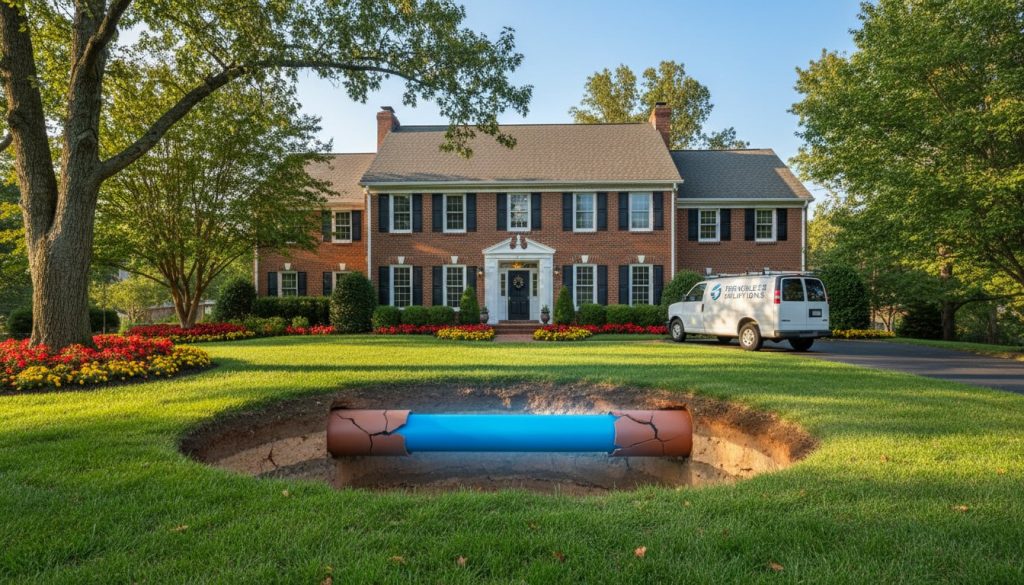
Trenchless repair is not the right choice for every damaged line, but it can be a strong option when the pipe condition allows it. Instead of digging a long trench across the property, trenchless methods use limited access points to repair or replace the pipe underground. That can help protect landscaping, patios, walkways, driveways, and other parts of the property that would be costly to restore after excavation.
The key is knowing when the problem is serious enough to need sewer repair and when a trenchless method may make sense.
When a Sewer Problem Is Bigger Than a Simple Clog
A single clogged sink or shower drain usually points to a local blockage. Main sewer line trouble is different. It often affects several fixtures at once because all wastewater in the home is trying to move through the same underground line.
If a toilet gurgles when the washing machine drains, or water backs up into the tub after you flush, the issue may be deeper than a normal drain clog. Sewer odors around the home or yard can also suggest wastewater is not moving properly through the line.
Common signs of a sewer line problem include:
- Multiple drains slowing down at the same time
- Toilets bubbling, gurgling, or backing up
- Sewage smells near drains, the basement, or the yard
- Wet, sunken, or unusually green patches in the lawn
- Clogs that return soon after cleaning
- Water backing up in a tub, shower, or floor drain
These warning signs should be checked before the problem becomes an emergency. A sewer line that is cracked, blocked, or invaded by roots may still drain for a while, but the flow can get worse over time. Once the line can no longer carry wastewater away from the home, a backup can happen quickly.
Why Digging Is Not Always the Best First Move
Traditional sewer repair usually means excavation. A crew digs down to reach the damaged pipe, removes the affected section, and installs new pipe. This can be necessary when the pipe has collapsed, shifted badly, or cannot support a trenchless repair.
The issue is that digging can affect much more than the pipe. Sewer lines often run under lawns, gardens, walkways, driveways, retaining walls, or mature landscaping. Once those areas are disturbed, the homeowner may need to pay for restoration after the plumbing work is finished.
Excavation can also take more time when the sewer line is deep or difficult to access. The repair itself may be straightforward, but the digging and property restoration can add stress to the project.
That is why trenchless repair should be considered before approving major excavation. It gives homeowners another path, especially when the line can be fixed without opening up the full length of the pipe.
How Trenchless Sewer Repair Works
Trenchless sewer repair uses specialized equipment to repair or replace underground sewer pipe with limited digging. The exact method depends on the condition of the existing line.
One common approach is pipe lining. A liner is placed inside the damaged pipe and cured to create a strong new interior surface. This can seal cracks, improve flow, and reduce the need for open trench excavation.
Another approach is pipe bursting. With this method, the old pipe is broken apart underground while a new pipe is pulled into its place. This may be used when the old line is too damaged for lining but the path can still support trenchless replacement.
Before either method is considered, the sewer line should be inspected with a camera. A video inspection shows the inside of the pipe, helps locate the damaged area, and confirms the type of problem. Without that step, it is difficult to know if trenchless repair is suitable.
For many homes, trenchless sewer repair in Maryland is helpful because older sewer lines, tree roots, shifting soil, and changing weather conditions can all contribute to underground pipe issues. A camera inspection helps match the repair method to the actual condition of the line.
When Trenchless Repair May Be the Better Option
Trenchless repair is often a smart choice when the sewer line is damaged but still has enough structure or access for the repair method. It is especially useful when digging would create a large mess or affect expensive areas of the property.
A homeowner may want to ask about trenchless repair when:
- The damaged line runs under a driveway, patio, walkway, or landscaped area
- A camera inspection shows cracks, root intrusion, or moderate pipe damage
- The pipe route allows access through small entry points
- The homeowner wants to reduce property disruption
- The problem keeps returning after drain cleaning
- The goal is to repair the line without unnecessary excavation
This does not mean trenchless repair is always the cheapest option upfront. The value often comes from reducing damage to the property, shortening disruption, and avoiding the extra work that follows a full dig. For homeowners with finished landscaping or hardscaping, that can make a major difference.
When Excavation May Still Be Needed
A good sewer repair plan should be honest about the limits of trenchless work. Some pipe conditions still require digging. If the sewer line has fully collapsed, has a major belly that holds waste, or is severely misaligned, trenchless methods may not solve the problem properly.
Excavation may also be needed if the pipe cannot be accessed safely or if the repair area involves unusual utility conflicts. In some cases, a small dig may be used to create access while the rest of the work is completed with trenchless equipment.
This is why homeowners should avoid choosing a repair method based only on convenience. The method should come from the inspection results. A reliable contractor will explain what the camera found, where the damage is located, and why one repair option is better than another.
The Camera Inspection Comes First
A sewer camera inspection is one of the most important steps in deciding between trenchless repair and digging. It gives a real view of the line instead of relying on symptoms alone.
The camera can reveal tree roots, cracks, loose joints, grease buildup, scale, offsets, low spots, and collapsed areas. It can also help locate the damaged section from above ground. This allows the repair plan to be more targeted and less wasteful.
If the inspection shows the line is a good candidate, trenchless sewer repair in Maryland can help restore the pipe while limiting the impact on the property. If the inspection shows severe collapse or major structural failure, excavation may be the safer option.
Either way, the homeowner gets a clearer answer. That matters because sewer repair can be a significant investment, and no one wants to pay for the wrong solution.
Why Waiting Can Limit Your Repair Options
Sewer line problems rarely improve on their own. A crack can invite roots. Roots can catch debris. Debris can slow the flow. Slow flow can turn into a full backup. By the time wastewater enters the home, the damage may already be serious.
Acting early gives you more control. If the line is inspected before a complete failure, you may have access to less invasive repair options. Waiting too long can turn a repairable pipe into a collapsed pipe, which may leave excavation as the only practical choice.
Repeated drain cleaning can also create a false sense of progress. If the same clog keeps coming back, the blockage is probably a symptom of a bigger sewer line issue. Cleaning may restore flow temporarily, but it will not fix cracks, offsets, or root entry points.
Fix the Sewer Line the Smarter Way
If your drains keep slowing down, sewer odors are showing up, or backups are starting to happen, do not assume your yard has to be dug up from end to end. A proper inspection can show the real condition of the pipe and help determine if trenchless sewer repair in Maryland is the right solution.
A-1 Trenchless Water & Sewer Repair Services helps homeowners and businesses address sewer line problems with services such as video inspections, sewer line repair and replacement, trenchless sewer repair and replacement, drain cleaning, hydro jetting, and pipe descaling. Their team can inspect the line, explain the damage clearly, and recommend a repair approach that fits the condition of the pipe and the needs of your property.