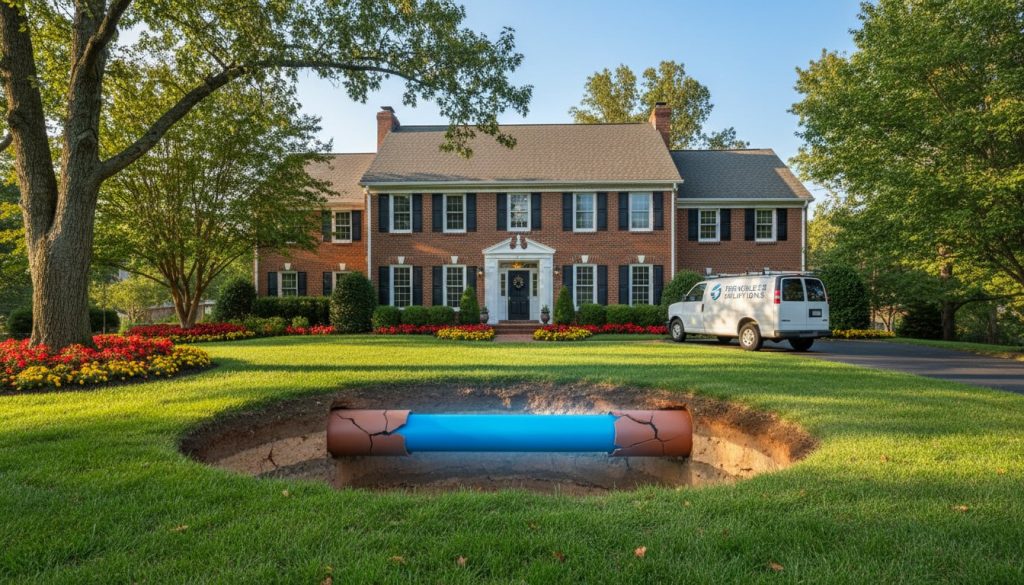
A sewer line can fail without much warning. One week you are dealing with slow drains or recurring backups, and the next you are trying to figure out how to fix a buried pipe without tearing up the yard, driveway, or parking area. When homeowners and property managers compare pipe bursting vs pipe lining, the right answer usually depends on the condition of the existing pipe, the layout of the property, and how much structural damage has already happened underground.
Both methods are trenchless, which means they are designed to reduce digging compared to traditional excavation. That matters when you want to protect landscaping, limit downtime, and get a long-lasting repair done as quickly as possible. But pipe bursting and pipe lining are not interchangeable. They solve similar problems in different ways, and choosing the wrong one can add cost or leave you with a less effective result.
Pipe bursting vs pipe lining: the core difference
Pipe bursting replaces the old pipe. Pipe lining rehabilitates the pipe from the inside.
That simple distinction drives almost every decision. With pipe bursting, the damaged line is fractured outward while a new pipe is pulled into place behind the bursting head. The old pipe is essentially destroyed and replaced underground. With pipe lining, a resin-saturated liner is inserted into the existing pipe and cured in place, creating a new pipe within the old one.
If your current sewer line still has enough shape and continuity to act as a host pipe, lining may be an option. If the pipe is badly collapsed, severely offset, or too deteriorated to support a liner, pipe bursting may be the better fit.
When pipe lining makes the most sense
Pipe lining is often a strong choice when the pipe has cracks, leaks, root intrusion, scale buildup, or age-related wear but still maintains a generally usable path. After the line is cleaned and inspected with a camera, the liner can be installed through existing access points with minimal disruption.
For many property owners, the biggest advantage is convenience. Pipe lining usually requires less disturbance at the surface and can be a practical solution where landscaping, patios, finished spaces, or hardscaping make open trench work especially frustrating. It also creates a smooth interior that can improve flow and help seal out future root intrusion.
That said, lining does have limits. Because it creates a pipe inside the existing one, there is a slight reduction in internal diameter. In many residential sewer applications that reduction is minor and not a problem, but it is still a factor worth evaluating. Lining also depends heavily on the existing pipe’s condition. If the host pipe has major deformation, a belly, a full collapse, or severe offsets at the joints, the liner may not perform the way it should.
When pipe bursting is the better solution
Pipe bursting is often the stronger option when the line is beyond rehabilitation and true replacement is needed. If a sewer pipe is cracked in multiple places, crushed, heavily deteriorated, or made from outdated material that has reached the end of its service life, bursting allows a contractor to install a brand-new pipe without opening a full trench across the property.
One major advantage is that the replacement pipe can often maintain or even improve the original pipe diameter. That matters when capacity is a concern or when you do not want to reduce the usable size of the line. Because the old pipe is replaced rather than reused as a shell, pipe bursting can be the more durable answer in situations where the existing line has widespread structural failure.
Still, pipe bursting is not always the easiest path. It requires enough room for access pits and enough clearance around the pipe path to safely break the old pipe outward. Nearby utilities, certain site conditions, and unusual pipe layouts can affect whether it is practical. In some cases, a line may also have bends or connections that make lining simpler than replacement.
Cost depends on more than the method
A lot of people want a straight answer on price, but pipe bursting vs pipe lining is not a one-price-fits-all comparison. The cost depends on pipe length, diameter, depth, number of access points, severity of damage, cleaning requirements, and how difficult the site is to work in.
Pipe lining can be cost-effective when the host pipe is a good candidate and prep work is limited. If the line needs heavy descaling, extensive root removal, or multiple spot repairs before lining can even begin, the price can climb. Pipe bursting may cost more in some cases because it involves full replacement, but it can also deliver better long-term value when a pipe is too compromised for a lasting liner installation.
The real question is not which method is cheaper on paper. It is which method solves the problem correctly the first time.
Which option is less disruptive to your property?
Both options are considered minimally invasive compared to traditional dig-and-replace sewer work. That is a big reason trenchless methods are so popular with homeowners and commercial property owners alike.
Pipe lining usually creates the least surface disruption because it often relies on existing cleanouts or limited access points. If preserving landscaping is the top priority and the pipe is structurally suitable, lining is hard to beat.
Pipe bursting also avoids a continuous trench, but it typically needs entry and exit pits. That still means much less damage than digging up the full run of pipe, especially under driveways, sidewalks, or planted areas. For many customers, a couple of controlled excavation points is a very acceptable trade-off for getting a full replacement instead of a repair.
How inspections determine the best repair
No reputable contractor should guess between these methods. The decision starts with a sewer camera inspection and a clear look at the line’s condition. A proper inspection shows where the damage is, how severe it is, whether roots or grease are involved, and whether the pipe has enough integrity for lining.
Cleaning also matters. Hydro jetting or mechanical cleaning may be needed before the camera can get a reliable view or before a liner can bond correctly. In older systems, descaling may be part of the process as well. These steps are not upsells when they are justified. They are what allow the repair to be done right.
That is why experienced trenchless contractors focus on diagnosis before recommendation. The method should fit the pipe, not the other way around.
Pipe bursting vs pipe lining for older sewer systems
Older sewer systems in residential and commercial properties can present mixed conditions. Some sections may still be structurally sound enough for lining, while others are too far gone and need replacement. Clay, cast iron, Orangeburg, and aging concrete lines all behave differently, and each material can influence the repair approach.
Pipe lining often works well for aging systems with cracks, minor joint separation, or corrosion that has not completely destroyed the pipe shape. Pipe bursting is often better for brittle, collapsed, or badly deteriorated lines where keeping the original pipe in service is no longer realistic.
This is where local experience matters. Soil conditions, age of housing stock, utility congestion, and municipal code requirements can all affect what is practical on a given property. A contractor with trenchless experience can walk you through those factors in plain language and explain why one option makes more sense than the other.
How to choose with confidence
If your main concern is preserving the yard and the pipe still has a workable structure, pipe lining may be the most efficient fix. If the line is failing structurally and needs true replacement, pipe bursting may be the better long-term investment.
Most property owners are not expected to know which method they need before a technician arrives. What you should expect is a clear inspection, a transparent explanation of the findings, and an honest recommendation based on the condition of the line. That is the standard companies like A-1 Trenchless Water & Sewer Repair Services LLC aim to meet every day.
A sewer repair is stressful enough without guesswork. The best next step is not choosing a trenchless method on your own. It is getting the line inspected by a qualified professional who can show you exactly what is happening underground and recommend the repair that protects your property, your budget, and your peace of mind.