A sewer backup usually starts as a small warning that is easy to brush off. A floor drain gurgles. A basement shower drains slowly. You notice an unpleasant smell near the utility room and hope it passes. If you are wondering how to prevent sewer backups, the best time to act is before wastewater has nowhere to go but back into your home.
For homeowners and property managers, prevention is always cheaper and less disruptive than cleanup. A backup can damage flooring, drywall, stored belongings, and anything else in its path. It can also interrupt business operations, create sanitation concerns, and point to a larger sewer line problem underground. The good news is that many backups can be reduced or avoided with the right habits, regular inspections, and timely repairs.
How to Prevent Sewer Backups Before They Start
Most sewer backups happen for a few predictable reasons. Grease and debris build up inside drain lines. Tree roots work their way into older sewer pipes. Pipes shift, crack, or collapse underground. In some properties, heavy rain overwhelms the system and exposes weak spots that were already developing.
That matters because prevention is not just about being careful with what goes down the drain. It is also about knowing the condition of the line that carries wastewater away from the property. A clean kitchen drain does not help much if the main sewer line outside is broken or restricted.
The first practical step is to be more selective about what enters the system. Grease, oils, coffee grounds, paper towels, hygiene products, and so-called flushable wipes are common troublemakers. Even when they seem to clear the toilet or sink, they can collect farther down the line and create a blockage over time. In commercial settings, food waste and heavy grease loads make this risk even higher.
It also helps to treat recurring slow drains as an early warning, not a minor annoyance. One slow fixture may be a local clog. Several slow fixtures at once, especially on the lowest level of the building, can signal a developing main line issue. Waiting usually gives the blockage more time to grow.
Protect the Main Sewer Line, Not Just the Fixtures
A lot of property owners focus on toilets, tubs, and kitchen sinks because those are the places where symptoms show up. The larger issue is often the main sewer line itself. If that line is aging, scaled, root-invaded, or partially collapsed, interior drain cleaning may only provide short-term relief.
This is where a camera inspection becomes valuable. Instead of guessing, a trained technician can identify what is happening inside the pipe and where the trouble is located. That can reveal root intrusion, offset joints, grease buildup, corrosion, or structural damage that would otherwise stay hidden until a major backup occurs.
For older homes and buildings, this kind of inspection is especially useful. Many properties in the Damascus area have sewer systems that have been in the ground for decades. Time, soil movement, root growth, and wear all take a toll. If the line has never been inspected, prevention may start with finding out what condition it is actually in.
Routine cleaning has limits
Drain snaking can clear a path through a blockage, but it does not always remove the buildup attached to the pipe walls. That is why some lines clog again not long after service. In the right situation, hydro jetting or pipe descaling can do a more thorough job by removing grease, sludge, scale, and debris that narrow the line over time.
That said, it depends on the pipe material and overall condition. A heavily damaged or fragile line may not be the right candidate for aggressive cleaning. That is another reason proper diagnosis matters. The goal is not just to restore flow for today, but to reduce the chance of another backup next month.
Warning Signs You Should Not Ignore
Sewer problems rarely appear out of nowhere. In many cases, the system gives clear signals before a full backup happens. The challenge is that people often live with these signs longer than they should.
A persistent sewer odor around drains, frequent clogs in multiple fixtures, bubbling or gurgling sounds, water backing up in a basement floor drain, or toilets that struggle to flush can all point to a developing restriction. If using one plumbing fixture affects another, such as running the washing machine and seeing water rise in a nearby shower, that is a stronger sign the main line may be involved.
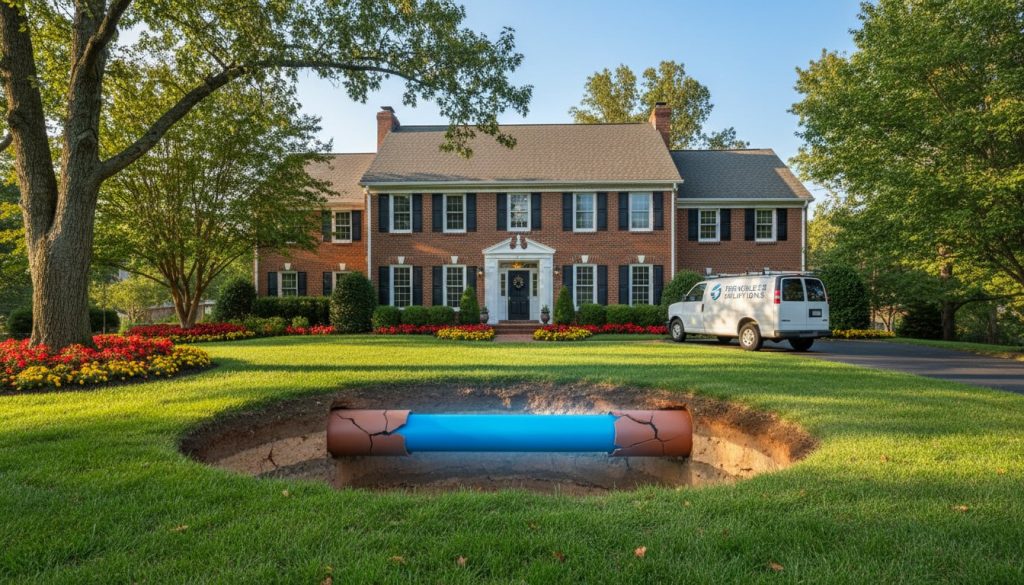
Outside, the clues can be less obvious but just as important. Extra-green patches in the yard, soggy areas with no clear cause, or sinkholes forming near the sewer route may indicate leakage or a damaged underground line. These issues should be checked quickly, especially if they appear alongside indoor drainage problems.
Prevention Habits That Actually Help
If you want to know how to prevent sewer backups in day-to-day use, a few consistent habits make a real difference. Keep grease out of kitchen drains and dispose of it separately. Use drain strainers where they make sense. Avoid flushing anything other than toilet paper and human waste. Be careful with food scraps, especially if your system already drains slowly.
For properties with mature trees, pay attention to root risk. Roots naturally seek moisture and can enter small openings in sewer pipes. Once inside, they expand and catch debris. If your property has had root problems before, periodic inspection and maintenance may be worth scheduling before symptoms return.
Stormwater management also matters. Sump pumps, downspouts, and yard drainage should move water away from the foundation and not overload the sewer system. In some cases, a backwater valve can provide an added layer of protection by helping prevent sewage from flowing backward into the building during a municipal system overload. Whether that is a good fit depends on the property layout and local code requirements.
Older systems need a different mindset
With a newer sewer line, prevention may be mostly about smart use and occasional maintenance. With an older or previously repaired line, prevention often means planning ahead for corrective work. If a camera inspection shows cracking, heavy corrosion, or repeated root intrusion, cleaning alone may not be enough.
In those cases, repair or replacement may be the more cost-effective move over time. Modern trenchless options can often restore a sewer line with less digging and less disruption to landscaping, driveways, and daily operations. That matters to homeowners who want to protect their property and to commercial clients who cannot afford long interruptions.
When to Call a Professional
There is a point where prevention moves beyond household maintenance and into professional service. If you have recurring backups, slow drains in multiple areas, bad sewer odors, or signs of line damage outside, it is time to get the system evaluated. Waiting for a complete blockage usually means more mess, more damage, and more urgent repair costs.
Professional diagnostics remove the guesswork. With video inspection equipment and the right cleaning or repair tools, a sewer specialist can identify whether the issue is buildup, roots, pipe damage, or a combination of problems. That leads to a more accurate fix and helps avoid spending money on temporary solutions that do not address the real cause.
A-1 Trenchless Water & Sewer Repair Services LLC works with homeowners, commercial properties, and facilities that need fast answers and dependable sewer solutions without unnecessary disruption. For many customers, that means catching a developing problem early enough to avoid the kind of backup that turns into a major cleanup.
The Cost of Waiting Is Usually Higher
A lot of people put off sewer service because nothing has fully failed yet. That is understandable. Underground plumbing is easy to ignore when toilets still flush and sinks still drain, even if they are draining slower than they used to. But sewer lines rarely fix themselves, and small restrictions often become larger problems under pressure.
A preventive inspection or targeted cleaning is usually far easier to manage than water damage restoration, emergency excavation, or repeated service calls for the same issue. If you own an older property, manage multiple units, or have seen even minor warning signs, a proactive approach gives you more control over the timing, cost, and scope of the work.
The smartest way to protect your home or building is to pay attention early, act on warning signs, and treat your sewer line like the critical system it is. A little prevention now can spare you a very expensive and unpleasant surprise later.