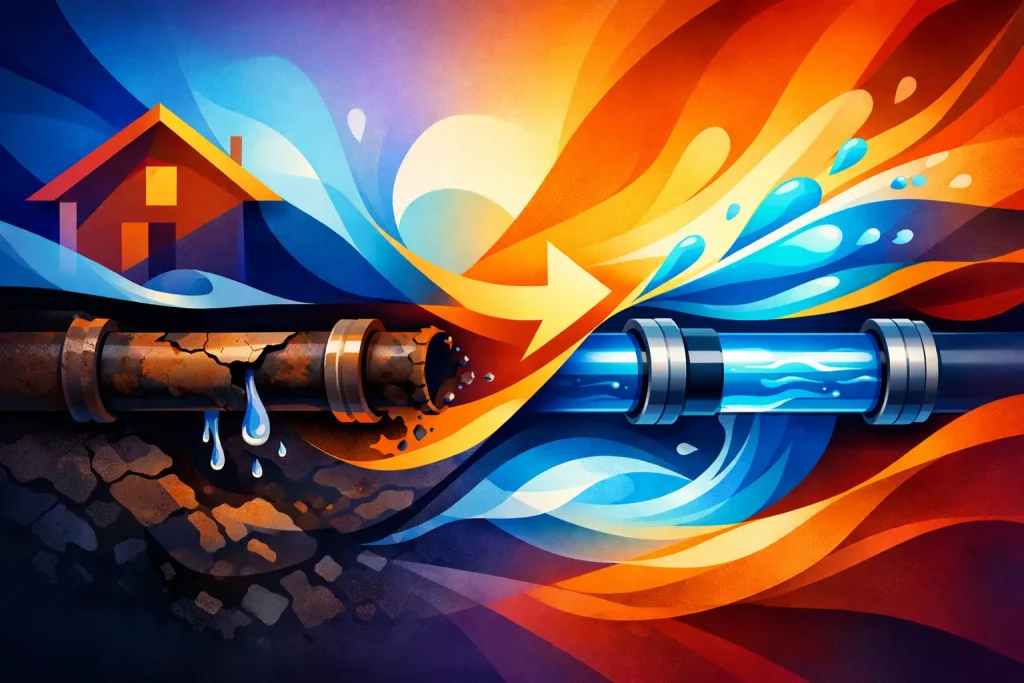
A sudden spike in your water bill, a soggy yard, or weak water pressure usually turns one question into an urgent one: how much does water line replacement cost? The honest answer is that pricing can vary quite a bit, because no two properties have the same pipe material, depth, access, soil conditions, or repair method. What matters most is understanding what drives the cost so you can make a smart decision quickly and avoid paying for the wrong fix.
How much does water line replacement cost on average?
For most homeowners, water line replacement can range from a few thousand dollars to well over $10,000, depending on the scope of the job. A shorter, accessible residential line with straightforward installation will usually cost less than a long, deeply buried line running under hardscape, landscaping, or a driveway. Commercial properties and larger service lines can increase pricing further because of added complexity, permitting, and restoration work.
If that sounds broad, it is. Water line pricing is not just about the pipe itself. The real cost comes from labor, excavation or trenchless equipment, local permit requirements, restoration, and how difficult it is to safely reach and replace the damaged section.
What affects water line replacement cost?
The biggest cost factor is usually access. A water line that runs through open soil is much easier and less expensive to replace than one buried under concrete, mature landscaping, retaining walls, or paved areas. The more a crew has to cut, remove, protect, or restore, the more the project costs.
Pipe length also matters. Replacing a short section near the meter or foundation is very different from replacing a long main service line from the street to the building. More footage means more materials, more labor, and often more time spent locating utilities and planning the safest route.
Depth plays a major role too. A deeper line takes more labor and equipment to expose, and deeper excavation can require additional safety measures. In some cases, soil conditions add another layer of cost. Rocky ground, saturated soil, or areas with roots can slow down installation and make conventional digging more difficult.
The condition of the existing line can change the price as well. Older galvanized steel, corroded copper, or deteriorated joints may point to a full replacement rather than a simple repair. If there have been repeated leaks, patching one spot often does not solve the bigger problem.
Trenchless vs. traditional digging
One of the biggest pricing questions is whether the line can be replaced with a trenchless method or whether conventional excavation is the better fit. Both approaches have value. The right one depends on your property and the condition of the line.
Traditional excavation is often straightforward when there is clear access and minimal surface restoration. Crews dig along the pipe path, remove the old line, and install a new one. In some situations, this can be the most practical option, especially when the pipe path needs to be rerouted or the existing line has collapsed badly.
Trenchless replacement is often attractive because it reduces disruption to lawns, driveways, walkways, and landscaping. While the equipment and process can carry a higher upfront cost in some cases, the total project cost may be more manageable once you factor in reduced restoration. If avoiding major property damage matters to you, trenchless can offer real savings beyond the plumbing work itself.
That is why the lowest estimate is not always the best value. A cheaper digging quote can become more expensive after concrete replacement, landscaping repair, and additional cleanup are added back in.
Why one estimate may be much higher than another
If you get multiple quotes, you may notice a wide price gap. That does not always mean one contractor is overcharging. It may mean the scope is different.
One estimate may include permits, utility locating, excavation, new piping, pressure testing, and surface restoration. Another may only cover the pipe replacement itself. Some companies price for a best-case scenario, while others build in the likely complications upfront. That is why clear diagnostics matter.
A contractor using advanced inspection and locating equipment can often define the problem more accurately before work begins. That helps reduce surprises and gives you a better idea of whether you need spot repair, full replacement, rerouting, or a trenchless option.
Repair vs. replacement: which is more cost-effective?
Homeowners often hope a leak can be repaired instead of replacing the whole line, and sometimes that is the right call. If the damage is isolated, the pipe material is still in good shape, and the rest of the line has years of service left, a targeted repair can save money.
But if the water line is old, corroded, undersized, or failing in multiple places, replacement is often the better long-term value. Paying for repeated emergency repairs, yard excavation, and water damage cleanup can add up fast. In those cases, a full replacement may cost more now but reduce future disruption and expense.
A good contractor should explain that trade-off clearly. The goal is not to sell the biggest job. It is to recommend the option that restores reliable service and makes financial sense for the property.
Hidden costs homeowners should ask about
When comparing pricing, ask what is included beyond the pipe work. Permits are one common extra. Depending on the municipality and the type of line being replaced, permit fees can affect the total.
Restoration is another area to clarify. If a yard, sidewalk, driveway, or interior slab is affected, make sure you know whether the estimate includes bringing that area back to usable condition. Some plumbing contractors handle basic restoration. Others stop at the pipe installation.
There can also be costs tied to emergency timing. If a line fails suddenly and service must be restored right away, after-hours response, difficult weather, or temporary water service arrangements can change the final price.
In older properties, code upgrades may come into play. A replacement project can reveal shutoff valve issues, outdated connections, or other problems that need to be corrected before the work can be completed properly.
How much does water line replacement cost in older properties?
Older homes and buildings often come with more uncertainty, and that usually affects cost. Galvanized pipes may be heavily corroded. Existing utility maps may be incomplete. The original line path may not be ideal for modern replacement, especially if additions, patios, or driveways were installed over time.
In these cases, diagnostic work becomes especially important. A proper evaluation can identify whether the line should follow the original route or be rerouted to reduce disruption and improve future access. That may increase planning time, but it often prevents a much more expensive surprise once digging starts.
How to keep replacement costs under control
The best way to control cost is to act early. A small leak, pressure drop, or unexplained wet area is easier to address before it becomes a major failure. Waiting can lead to higher water bills, erosion, property damage, and emergency service conditions that limit your options.
It also helps to work with a contractor that can offer both conventional and trenchless solutions. When a company has more than one way to solve the problem, you are more likely to get a recommendation based on what fits the property rather than what fits one installation method.
Financing can also make a major difference. Water line replacement is not always something a homeowner plans for, and urgent repairs do not wait for a convenient time. Flexible payment options can make it easier to approve the right repair instead of delaying work and risking more damage.
What a reliable estimate should include
A dependable estimate should explain the suspected problem, the recommended method, the expected pipe path, and what is included in the quoted price. It should also address whether permits, cleanup, and restoration are part of the project.
Just as important, it should come from a licensed and insured team that is equipped to diagnose underground plumbing issues correctly. Water line work is not the place for guesswork. The right contractor will be clear about what they know, what they need to verify, and what could affect the final cost if conditions underground change.
For homeowners and property managers in Damascus and nearby areas, that kind of clarity matters. A-1 Trenchless Water & Sewer Repair Services LLC focuses on getting to the problem quickly, using the right equipment, and offering practical repair options that protect both your water service and your property.
When you are dealing with a failing water line, the most helpful next step is not chasing the cheapest number. It is getting a clear diagnosis, a realistic scope of work, and a solution that fixes the problem without creating a bigger one in your yard, driveway, or budget.