A sewer line problem rarely shows up at a convenient time. It starts with slow drains, a wet patch in the yard, a backup, or a water bill that suddenly makes no sense. When you are told the line needs serious work, the next question is usually the same: trenchless repair vs excavation – which one actually makes more sense for your property?
The honest answer is that it depends on the condition of the pipe, the location of the damage, and what outcome you need. Trenchless methods can save time and protect your yard, driveway, or parking area. Excavation is sometimes the only reliable path when a line has collapsed, shifted badly, or cannot support a trenchless solution. The right contractor should explain both clearly, not push one method in every situation.
Trenchless repair vs excavation: the basic difference
Trenchless repair fixes or replaces underground piping with little to no full-length digging. Instead of opening the entire yard, technicians typically use existing access points or create a small entry area. Common methods include pipe lining and pipe bursting, depending on the pipe material and the damage involved.
Excavation is the traditional method. The crew digs down to expose the damaged pipe, removes the failed section or the full line, and installs new pipe in an open trench. It is a proven approach, and in some cases it is still the best one. But it usually comes with more disruption, more cleanup, and a longer path back to normal.
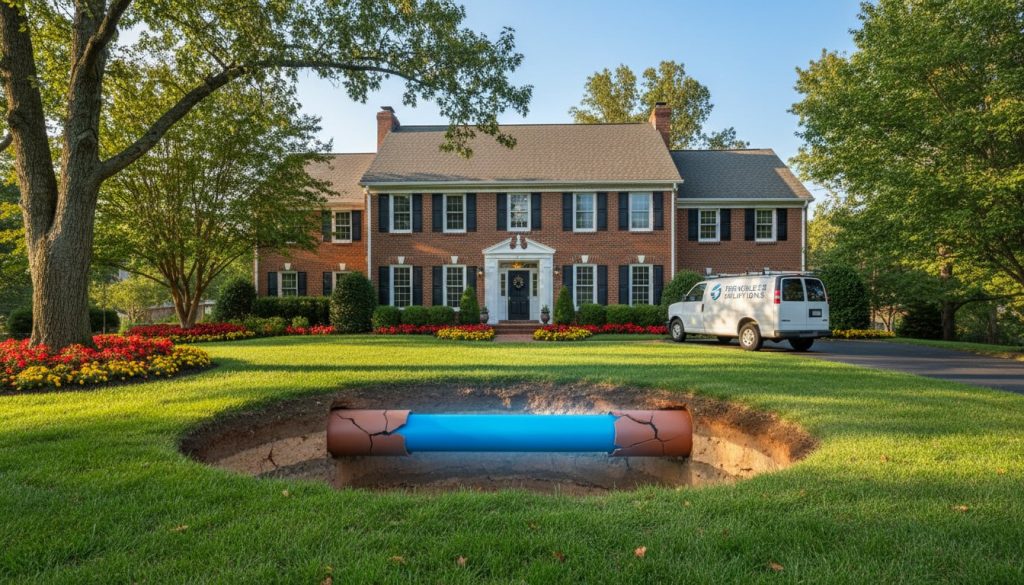
For homeowners and property managers, the biggest difference is not just how the work is done. It is what happens to the property during and after the repair. A trenchless project may protect landscaping, patios, sidewalks, and driveways that would otherwise need to be torn up and restored.
When trenchless repair makes the most sense
Trenchless repair is often a strong fit when the pipe is damaged but still has enough structural continuity for the method being used. A line with cracks, root intrusion, corrosion, scale buildup, or leaking joints may be a good candidate after a camera inspection and cleaning. In many of these cases, trenchless work restores function without turning the property into a construction zone.
This approach is especially attractive when the line runs under valuable surfaces. If your sewer line passes beneath a mature landscape bed, stamped concrete, a deck, or a parking lot, avoiding major digging can make a big difference in both cost and inconvenience. The plumbing repair itself may not be the only expense. Restoring what gets disturbed can add up quickly.
Time is another reason property owners lean toward trenchless solutions. Many trenchless jobs can be completed faster than a full excavation project, especially when site access is limited or restoration would be extensive. For commercial and municipal properties, less downtime matters just as much as the repair itself.
When excavation is the better option
There are situations where excavation is not a fallback – it is the right call. If the pipe has fully collapsed, has severe offset sections, or was installed with poor slope, trenchless methods may not correct the underlying problem. A camera inspection often reveals whether the line can be lined, burst, or needs to be fully exposed.
Excavation may also be necessary when the damage is isolated and easy to reach. If there is one failed section in an accessible area, open trench repair can be practical and cost-effective. In that case, a targeted dig may solve the issue without the need for a full trenchless system.
Material matters too. Some older pipes are too deteriorated for certain trenchless applications. If the host pipe cannot support a liner, or if pipe shape and diameter changes are severe, excavation may provide a more dependable long-term result.
Cost is not as simple as the repair method
Many people assume trenchless always costs less because there is less digging. That is not always true. The direct repair price for trenchless work can sometimes be similar to or higher than excavation, depending on equipment, access, pipe length, and method.
Where trenchless often creates value is in what it helps you avoid. If excavation means removing a fence, cutting through a driveway, disrupting a landscaped yard, or tearing up pavement, restoration costs can push the total project much higher. In those situations, trenchless repair can be the more economical option overall.
On the other hand, if the damaged line is shallow, accessible, and located in an area with little to restore, excavation may be more straightforward and budget-friendly. That is why a real estimate should account for the entire job, not just the plumbing portion.
Property disruption is where trenchless often stands out
For most property owners, disruption is the deciding factor. A sewer or water line issue is stressful enough without adding major excavation across the front yard or through an access road. Trenchless methods are designed to reduce that impact.
Less digging usually means less mess, fewer obstacles, and a faster cleanup. It can also reduce the chance of damaging nearby features like irrigation lines, hardscaping, plantings, and walkways. That matters to homeowners who have invested in their property and to businesses that need to stay accessible.
That said, trenchless does not mean zero disruption. There may still be entry pits, equipment staging, cleaning, and prep work. If the line needs heavy descaling or root removal before repair, that adds steps. It is simply a more controlled process than opening the full run of pipe.
Repair quality and lifespan
Both trenchless repair and excavation can deliver durable results when the method matches the problem. The key is not choosing the newer method or the older one. The key is choosing the one that fits the actual condition of the line.
A properly installed trenchless liner can create a long-lasting pipe within the existing pipe. Pipe bursting can replace a failing line with new material while minimizing surface disturbance. Traditional excavation, when done correctly, also provides a dependable replacement and allows the crew to fully correct alignment, bedding, and slope issues.
This is where diagnostics matter. A video inspection, accurate locating, and a clear understanding of pipe material and grade help determine which option will hold up best. Guesswork leads to repeat problems. Good diagnostics lead to the right repair.
Trenchless repair vs excavation for sewer lines and water lines
Sewer lines are often strong candidates for trenchless repair because many failures involve cracks, roots, corrosion, or joint separation over a long run. If the line is still passable and structurally suitable, trenchless methods can restore service with less disturbance.
Water lines can also be repaired or replaced with trenchless methods in some cases, especially where preserving lawns, driveways, or sidewalks is a priority. But water line decisions often depend on depth, material, pressure requirements, and whether the line path needs to change.
In both cases, the right choice starts with inspection, not assumptions. A dependable contractor should tell you when trenchless is a smart option and when conventional digging will produce a better result.
What to ask before approving either method
If you are comparing proposals, ask what the camera inspection showed, whether the pipe has collapsed anywhere, how much restoration is expected, and what the long-term plan is for the full line. You should also ask whether the estimate includes cleanup, surface repair, and any follow-up testing.
A trustworthy answer should be clear and specific. You do not need a technical lecture. You need to know what is wrong, what can be fixed without unnecessary disruption, and what method gives you the best outcome for your property and budget.
For property owners in and around Damascus, MD, this is where working with an experienced underground plumbing team matters. A-1 Trenchless Water & Sewer Repair Services LLC approaches these jobs with camera-based diagnostics, trenchless capability, and conventional excavation when that is the better answer. That balance is what protects both the pipe and the property.
The best repair method is the one that solves the problem completely without creating bigger problems above ground. If you are facing a sewer or water line issue, the smartest next step is a professional inspection that tells you what the pipe will actually support. Once you have that, the decision usually gets much clearer.