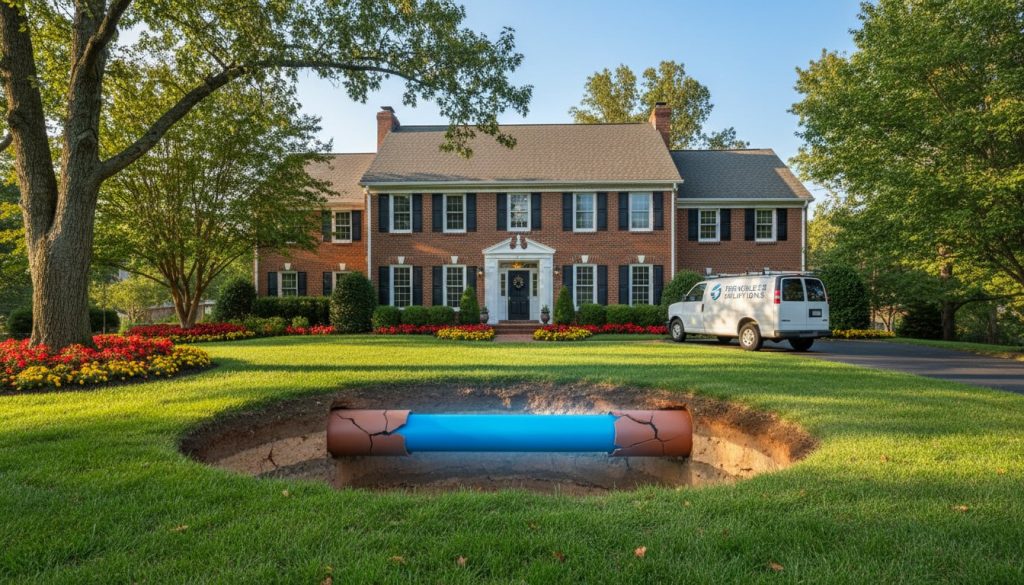
A sudden drop in water pressure, a wet patch in the yard, or water showing up where it should never be usually means one thing – you do not have time to wait. Burst water line repair is not a job to put off until next week. The longer a broken line runs, the more damage it can do to flooring, walls, foundations, landscaping, and utility costs.
For homeowners and property managers, the real problem is not just the broken pipe. It is the uncertainty that comes with it. You need to know what is happening, how serious it is, and whether the fix will tear up your property or get handled quickly with minimal disruption. That is where a trained water line repair specialist makes a major difference.
What causes a burst water line?
Water lines fail for several reasons, and the cause often affects the repair method. In older systems, corrosion is a common issue. Over time, metal pipes can weaken from the inside out until a crack or split finally gives way. In other cases, shifting soil, heavy traffic above the line, poor installation, tree root intrusion, or freeze-related expansion can put enough stress on the pipe to cause a rupture.
Some failures happen suddenly. Others build slowly and then become obvious all at once. A small underground leak may go unnoticed for weeks before pressure changes or soil movement turn it into a full break. That is why a professional diagnosis matters. Fixing the visible symptom without confirming the root cause can lead to repeat problems.
Signs you may need burst water line repair
Not every broken water line looks dramatic. Sometimes there is no geyser in the yard and no obvious flooding. The warning signs can be subtle at first.
If your water pressure drops across the building, that is one of the most common red flags. Unexplained wet spots in the lawn, muddy areas that do not dry out, discolored water, a spike in your water bill, or the sound of running water when fixtures are off can also point to a damaged line. Inside the property, warped flooring, damp drywall, mold growth, or water near the foundation may signal that the break is closer to the structure.
Commercial properties may notice operational issues before visible damage. Restrooms may lose pressure, irrigation systems may underperform, or water usage may climb without a clear reason. In those situations, quick testing and inspection help prevent a smaller issue from becoming a costly shutdown.
What to do first when a water line bursts
Your first priority is limiting damage. If you suspect a burst line, shut off the main water supply as soon as possible. If water is reaching electrical areas, avoid contact and address power safety before entering standing water. Then call a licensed plumbing and underground utility repair company that can respond quickly and diagnose the exact location of the break.
This is not the time for guesswork. Underground leaks are easy to misread, especially when water travels away from the actual break. A proper inspection helps confirm whether the issue is in the main water service line, a branch line, or another part of the plumbing system.
If you can safely document what you are seeing, take a few photos of wet areas, pooling water, or property damage. That can help with insurance discussions later. But the real value comes from getting a qualified team on site fast enough to stop escalation.
How burst water line repair is diagnosed
The best repair starts with accurate information. A professional crew will usually begin by evaluating pressure loss, visible site conditions, and the age and material of the line. Depending on the situation, they may use leak detection methods, camera-based inspection where applicable, and targeted excavation to pinpoint the failure.
This matters because not every broken line requires full replacement. In some cases, a localized section can be repaired effectively. In others, a spot repair solves the immediate leak but leaves the rest of an aging, compromised line ready to fail again. The right recommendation depends on pipe condition, break location, accessibility, and how much risk you want to carry going forward.
Burst water line repair options
There is no one-size-fits-all answer for burst water line repair. The right solution depends on the pipe material, the extent of the damage, and the layout of the property.
A direct repair may be enough if the line is otherwise in good condition and the damage is isolated. This can involve exposing the damaged section and replacing only the failed part of the pipe. It is often the most practical option when the break is accessible and the rest of the system has useful life left.
If the water line is older, corroded, or has multiple weak points, replacement may be the smarter investment. That can cost more upfront, but it often avoids repeat service calls, recurring leaks, and ongoing property damage. For many owners, the choice comes down to short-term savings versus long-term reliability.
In some situations, trenchless methods may reduce disruption compared with conventional excavation. That depends on the line path, depth, soil conditions, code requirements, and whether the existing pipe can support a less invasive approach. Trenchless technology is a strong option when preserving driveways, sidewalks, landscaping, or other finished surfaces is a priority, but it is not automatic for every job. A trustworthy contractor will explain when it fits and when conventional digging is the better route.
Why speed matters in burst water line repair
Water does not wait, and neither should repairs. Even a break that seems manageable can undermine soil, erode support around hardscaping, and create conditions for mold or structural damage. If the leak is near the foundation, the risk climbs quickly.
There is also the issue of wasted water. A damaged line can send a large amount of treated water into the ground in a short time. That means higher bills, potential municipal concerns, and avoidable strain on the property.
Fast response is about more than convenience. It is part of controlling the total cost of the problem. A repair completed early is usually less disruptive and less expensive than dealing with the same issue after days of water loss and secondary damage.
Choosing a contractor for a broken water line
When you are dealing with a buried pipe failure, you need more than a general promise to fix it. You need a company that can diagnose underground issues accurately, explain the repair clearly, and complete the work with as little disruption as possible.
Look for a licensed and insured team with specific experience in water line repair and underground utility work. Ask how they locate leaks, whether they offer minimally invasive options when appropriate, and how they protect surrounding property during excavation or restoration. Clear communication matters too. A good contractor should tell you what failed, what your options are, and what trade-offs come with each one.
For property owners in Damascus and nearby areas, A-1 Trenchless Water & Sewer Repair Services LLC is built around that kind of response – fast action, advanced diagnostic tools, and repair methods designed to solve the problem without creating a bigger mess.
Repair now or replace the line?
This is one of the most common questions after a break is found, and the answer depends on the condition of the system as a whole. If the line is fairly new and the break is isolated, repair is often the sensible choice. If the line is aging, made of outdated material, or has a history of leaks, replacement can be the more cost-effective path over time.
Budget plays a role, but so does risk tolerance. Some owners want the least expensive immediate fix. Others want the repair that gives them the best chance of not dealing with the same problem again in six months. A reliable contractor will walk through both options honestly instead of pushing a one-sided recommendation.
How to reduce the chance of another water line failure
No buried utility line lasts forever, but a few practical steps can help. If your property has older piping, periodic inspections can catch warning signs before they become emergencies. If you notice pressure changes, wet ground, or unexplained billing increases, act early. Delays usually make repairs more invasive and more expensive.
It also helps to know where your main shutoff is and make sure others in the building know too. That simple step can save valuable time during a leak event. On the exterior, avoid unnecessary heavy loads over known utility paths whenever possible, and be cautious with digging or landscaping near service lines.
A broken water line is disruptive, but it does not have to turn into a drawn-out property disaster. The right response is quick, informed, and focused on a durable fix that protects both your plumbing system and the ground above it.