A drain that clears for a day and backs up again by the weekend is usually telling you something. If you’re asking, “why does my drain keep clogging,” the problem often goes deeper than a simple surface blockage. Repeated clogs are a sign that something in the drain line or sewer system is restricting flow, and the longer it goes unchecked, the more likely it is to turn into a messy backup.
Some drain problems are local and straightforward. Others point to buildup, pipe damage, or a sewer line issue that will not stay fixed with store-bought chemicals or another round with a small hand snake. Knowing the difference can save you time, money, and frustration.
Why does my drain keep clogging in the first place?
Most recurring clogs happen for one of two reasons. Either material is building up inside the pipe over time, or the pipe itself is damaged or poorly draining. In both cases, water may still move for a while, which is why the problem can seem to come and go before it gets worse.
In a kitchen sink, grease is one of the biggest culprits. Hot grease may look harmless when it goes down the drain, but it cools quickly and sticks to the inside of the pipe. Over time, food particles cling to that layer and narrow the passage even more. The sink may drain slowly at first, then start clogging again and again.
In bathroom drains, hair, soap residue, and personal care products are common causes. Hair wraps together, soap scum hardens along pipe walls, and toothpaste or grooming products add to the blockage. A quick cleaning at the drain opening may help temporarily, but it does not always remove buildup farther down the line.
Toilets that clog repeatedly often involve too much paper, non-flushable wipes, or a partial obstruction in the drain line. In some homes, older low-flow issues or poor drain pitch can make toilet clogs more frequent. If more than one fixture is acting up, the issue may not be the toilet at all. It may be the branch line or the main sewer line.
The hidden causes behind recurring drain clogs
Some clogs are not caused by what goes down the drain this week. They are caused by what has been happening inside the pipe for years.
Pipe scale is a common example, especially in older metal drain lines. As the inner wall corrodes, rough deposits form and catch debris more easily. Even if you remove the immediate clog, the rough interior keeps collecting waste and creates a cycle of repeat blockages.
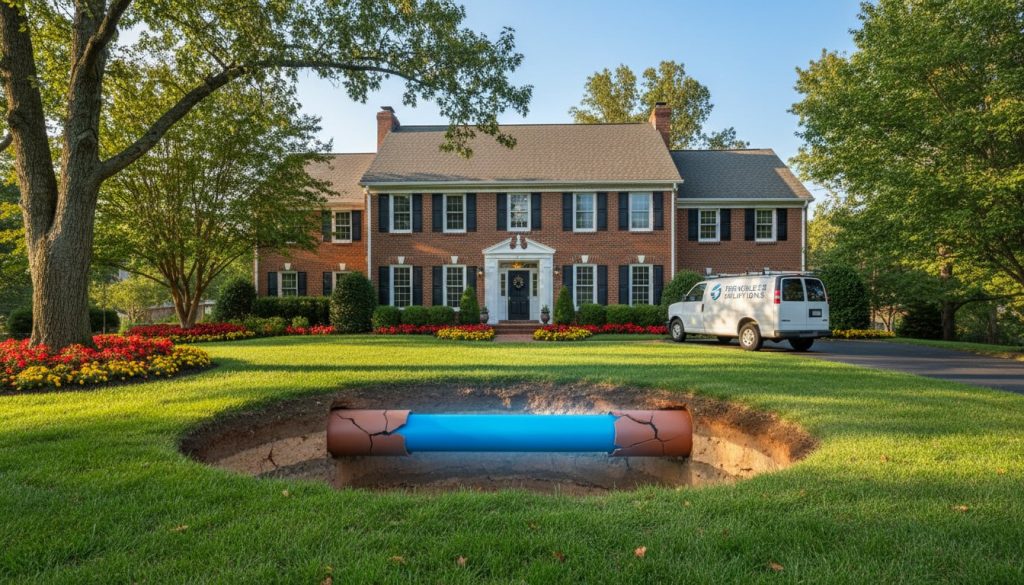
Tree roots are another major issue. If roots find a small crack or joint in an underground sewer line, they naturally grow toward the moisture. Once inside, they trap paper and waste and gradually block the line. A plunger will not solve that kind of problem, and neither will chemical drain cleaners.
Pipe damage can also be to blame. A cracked, offset, sagging, or partially collapsed pipe interrupts the normal flow of water and waste. Material settles in the low spot or catches on the damaged section, and the drain keeps clogging because the line is no longer functioning the way it should.
There is also the question of drain line design. Some properties have lines with poor slope, sharp turns, or older materials that simply do not perform well anymore. In those cases, the recurring clog is not random. It is the result of a system that needs more than routine cleaning.
Signs the problem is bigger than one clogged drain
A single slow sink can mean a local blockage. Several fixtures draining poorly at the same time usually suggest a larger system issue.
If your shower backs up when the toilet flushes, or your kitchen sink gurgles when the washing machine drains, that points to pressure and flow problems in the shared drain system. Water always follows the path of least resistance. When it cannot move freely through the main line, it starts affecting multiple fixtures.
Bad odors are another warning sign. If you notice sewer smells near drains, especially along with slow drainage or backups, waste may be sitting in the line instead of flowing out properly. Gurgling sounds, bubbling toilets, and water backing up at the lowest drain in the building are also signs that the issue may be farther down the system.
When these symptoms show up together, it makes sense to stop treating each fixture separately and look at the full drain and sewer line.
Why quick fixes often do not last
It is understandable to try a plunger, a basic snake, or a bottle of drain cleaner first. Sometimes that is enough for a minor clog near the opening. The problem is that recurring clogs are often only partially cleared, not fully resolved.
A small hand snake may poke a hole through the blockage without removing the buildup stuck to the pipe walls. Chemical cleaners may dissolve some organic material, but they do not remove grease-heavy residue, roots, scale, or structural pipe defects. In some cases, repeated chemical use can even damage older pipes.
That is why drains can seem fixed for a short time and then clog again. The restriction is still there. Water just has a temporary path through it.
What professional drain diagnostics can reveal
When a drain keeps clogging, the goal is not just to restore flow for today. It is to find out why the blockage keeps returning.
A professional inspection can do that much faster and with less guesswork. Drain cleaning equipment can remove heavy buildup more effectively than household tools, and a sewer camera inspection shows what is actually happening inside the pipe. Instead of assuming the cause, you can see whether the issue is grease, roots, scale, a belly in the line, cracked pipe sections, or another problem entirely.
That matters because the right solution depends on the actual condition of the pipe. If the line is structurally sound but heavily coated, hydro jetting or pipe descaling may restore full diameter and improve long-term flow. If roots are entering through damaged joints, cleaning alone may not be enough and repair may be the better investment. If a section of pipe has collapsed or shifted, no amount of routine snaking will make it reliable.
For homeowners and property managers, that kind of clarity is often the difference between paying for the same temporary fix over and over and finally solving the issue.
How to prevent a drain from clogging again
Prevention depends on the type of drain and the age of the plumbing system. Good habits help, but they cannot overcome a failing sewer line.
In kitchens, keep grease, oils, coffee grounds, and fibrous food scraps out of the sink. In bathrooms, use drain screens where practical and avoid flushing wipes, paper towels, or hygiene products. If you manage a commercial property, regular maintenance becomes even more important because higher usage puts more stress on the drain system.
That said, prevention has limits. If your drain keeps clogging despite careful use, the issue is likely not just habits. It is usually buildup deep in the line or a physical defect in the piping. That is where professional cleaning and inspection become the smarter move.
A company like A-1 Trenchless Water & Sewer Repair Services LLC can evaluate whether the best next step is drain cleaning, hydro jetting, video inspection, descaling, or sewer repair. The advantage is getting a solution that fits the actual problem while protecting your property from unnecessary digging or repeated disruptions.
When to call for help
If the same drain has clogged more than once in a short period, that is a good time to have it checked. If multiple drains are slow, if you hear gurgling, smell sewer gas, or see backups at floor drains or tubs, it is better to act quickly. Those are the situations where a small nuisance can become water damage, contamination, or a full sewer backup.
Fast service matters, but so does accurate diagnosis. A dependable plumbing professional should be able to tell you whether the problem is a simple localized clog or a larger sewer issue that needs a more durable repair plan.
A drain that keeps clogging is not just annoying. It is a warning that your system is struggling somewhere out of sight. The good news is that recurring clogs usually leave clues, and with the right equipment and experience, those clues can lead to a fix that lasts.