A drain that keeps backing up rarely needs more guessing. It needs the right cleaning method the first time. When homeowners and property managers compare hydro jetting vs snaking drains, the real question is not which tool sounds stronger. It is which option fits the type of clog, the condition of the pipe, and how long you want the fix to last.
Both methods have a place. A basic drain snake can break through many common blockages quickly. Hydro jetting goes further by using high-pressure water to scour the inside of the pipe and remove buildup along the walls. If you are dealing with a one-time clog in a sink line, snaking may be enough. If you have repeat backups, grease accumulation, sludge, or roots in the line, hydro jetting is often the better long-term answer.
Hydro jetting vs snaking drains: what is the difference?
Drain snaking is a mechanical method. A technician feeds a cable into the drain or sewer line and works it through the blockage. Depending on the equipment, the cable may punch a hole through the clog, break it apart, or pull some debris back out. It restores flow, which is why it is often the first step for simple stoppages.
Hydro jetting uses specialized equipment to send pressurized water through the pipe. Instead of just opening a path through the obstruction, the water cleans the pipe walls more thoroughly. That matters when the real problem is not a single object but layers of grease, soap residue, scale, sludge, or organic buildup that keep narrowing the line over time.
The difference is simple. Snaking is usually about getting through the blockage. Hydro jetting is about clearing the blockage and cleaning the pipe more completely.
When snaking makes sense
Snaking is often the right call when the issue is isolated and straightforward. A bathroom sink clogged with hair, a toilet line with paper buildup, or a kitchen drain with a localized obstruction can often be cleared efficiently with the right cable machine.
It is also useful when speed matters and the line does not show signs of heavy interior buildup. In many homes and small commercial spaces, a snake can restore drainage fast with minimal setup. That can be especially practical for first-time clogs where there is no history of repeat trouble.
There is another reason professionals still rely on snaking. Some older pipes or fragile lines may not be ideal candidates for high-pressure cleaning until their condition is confirmed. In those cases, a careful inspection and a more controlled mechanical approach may be the safer starting point.
Still, snaking has limits. It can create an opening in the blockage without removing everything attached to the pipe wall. That is why some drains seem fixed for a few weeks or months, then clog again.
When hydro jetting is the better solution
Hydro jetting stands out when the problem is more than a single clog. If a drain line is coated with grease, scale, soap residue, food waste, or years of sludge, punching a narrow hole through the middle will not do much for long-term performance. Water pressure can clean much more of the pipe interior and restore better flow.
This approach is especially effective in kitchen lines, commercial drain systems, and main sewer lines that have repeated backups. It can also help address tree root intrusion in some situations by cutting through smaller root masses and flushing debris out of the system. For properties with ongoing drain issues, hydro jetting often solves the reason the problem keeps coming back.
It is also a strong preventive maintenance option. A facility manager dealing with recurring line restrictions may choose hydro jetting not because the drain is fully blocked today, but because buildup is already affecting performance. Cleaning the pipe before a full backup happens can reduce emergency calls, downtime, and damage.
Which method is safer for your pipes?
This is where experience matters. Neither method should be treated like a one-size-fits-all fix. The right choice depends on pipe material, age, condition, and the nature of the obstruction.
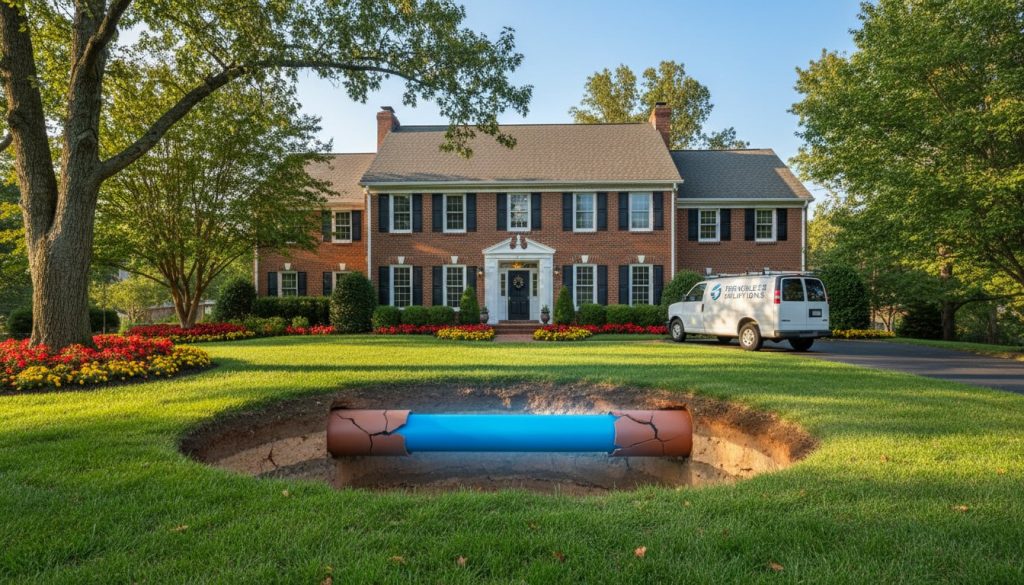
A professional should not recommend hydro jetting based on symptoms alone. If there is a concern about damaged, offset, cracked, or deteriorated pipe, a video inspection may be needed first. High-pressure water is powerful, but it should be used with control and only when the line can handle it. In a sound pipe, hydro jetting is highly effective. In a compromised pipe, it may not be the right starting point.
Snaking also requires judgment. An aggressive cable in the wrong hands can scratch pipe interiors, get hung up in problem areas, or fail to remove the actual cause of repeated backups. The issue is not whether one tool is always safe and the other is always risky. The issue is whether the line has been properly evaluated and the equipment is being used by trained professionals.
Cost now versus value later
For many property owners, the first question is cost. In many cases, snaking costs less upfront because it is simpler and faster for routine clogs. If the blockage is minor and isolated, that may be the smartest use of your money.
Hydro jetting usually costs more at the start, but it can deliver better value when buildup is widespread or backups are recurring. Paying less for a quick reopening does not save money if you are scheduling another drain service a month later. A more complete cleaning often means fewer callbacks, better drainage, and less risk of sewage overflow or business disruption.
This is where honest recommendations matter. A dependable contractor should explain whether you need a basic clog removal or a deeper pipe cleaning, rather than automatically pushing the more expensive service.
Hydro jetting vs snaking drains for recurring clogs
If you have had the same drain cleared more than once, recurring buildup is usually part of the story. Snaking may keep reopening the line, but it may not remove the film, grease, or scale that keeps catching new debris. That is often why kitchens, laundry lines, and older sewer laterals continue to act up.
Hydro jetting is usually the stronger option for recurring clogs because it addresses the pipe walls, not just the center of the blockage. That does not mean every repeat issue needs jetting. Sometimes the real cause is a broken section of pipe, root intrusion at a joint, or a line with poor slope. In those cases, cleaning alone will not permanently solve the problem.
That is why the best drain service companies do not stop at symptom relief. They identify whether the issue is buildup, roots, corrosion, or structural pipe damage, then recommend the fix that matches the condition underground.
What to expect from a professional recommendation
A trustworthy plumbing and sewer specialist should look at the whole picture. How old is the line? Is this a first-time blockage or a repeat problem? Is the drain slow, fully backed up, or gurgling across multiple fixtures? Has the property had root issues before? Those details affect whether snaking, hydro jetting, or camera inspection comes first.
In many cases, the best process is not either-or. A technician may inspect the line, clear an immediate obstruction, and then recommend hydro jetting if heavy buildup remains. For sewer and drain systems with ongoing trouble, combining diagnostics with the right cleaning method usually delivers the most dependable result.
That approach is especially important for homeowners and commercial clients who want to avoid unnecessary digging, property disruption, and repeat service calls. Companies like A-1 Trenchless focus on using the right equipment and clear diagnostics so the repair or cleaning plan matches the real condition of the system.
The better choice depends on the problem
If your drain has a simple clog and the pipe is otherwise in good shape, snaking can be a fast, effective solution. If the line is heavily coated, repeatedly backing up, or affected by grease, sludge, or roots, hydro jetting may give you a cleaner and longer-lasting result.
The goal is not to choose the strongest-sounding method. It is to choose the one that solves the problem with the least hassle and the best chance of staying fixed. If your drains are giving you the same trouble over and over, that is usually a sign to look beyond a quick opening and ask what is happening inside the pipe.