A drain that keeps backing up is rarely just a minor inconvenience. It disrupts showers, sinks, kitchens, restrooms, and daily routines fast. When standard snaking only pokes a hole through the blockage and the problem comes right back, hydro jetting for clogged pipes is often the more complete solution.
What hydro jetting actually does
Hydro jetting uses highly pressurized water to clean the inside of a pipe. Instead of simply punching through a clog, it scours the pipe walls and flushes debris out of the line. That matters because many drain problems are not caused by one isolated obstruction. They build up over time from grease, sludge, soap residue, scale, wipes, food waste, and other material that narrows the pipe and slows flow long before a full backup happens.
Think of the difference between clearing a narrow path through a snow-covered driveway and actually plowing the whole driveway clean. A basic cable snake can be very effective in the right situation, especially for a localized blockage. But if the line is coated with buildup from top to bottom, hydro jetting can restore much more of the original pipe diameter.
For homeowners and property managers, that usually means better drainage, fewer repeat clogs, and less guesswork about whether the line was really cleaned.
When hydro jetting for clogged pipes makes sense
Not every clog needs high-pressure cleaning. The right method depends on what is causing the blockage, how often it happens, and what condition the pipe is in.
Hydro jetting is often a strong option when drains are slow in multiple fixtures, when recurring backups keep returning after snaking, or when grease and sludge have built up in kitchen or commercial lines. It is also useful when sewer lines have heavier organic buildup or debris that needs to be fully washed out instead of partially broken apart.
This service is especially valuable for lines that have seen years of use without a thorough cleaning. In older homes and commercial buildings, residue does not build evenly. It collects in rough sections, offsets, and low spots, which is why a line can seem fine one month and fail badly the next.
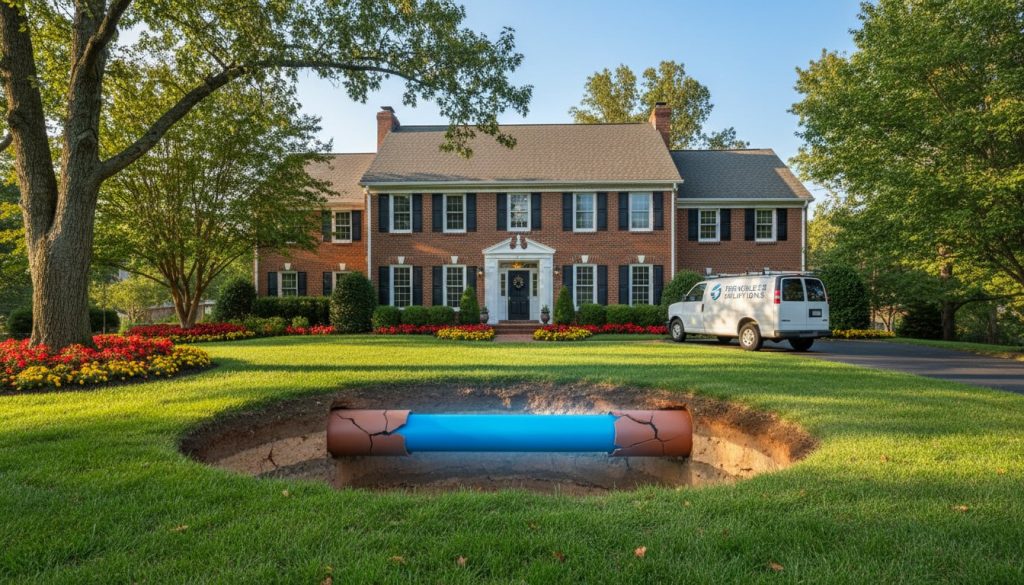
There is a trade-off, though. Hydro jetting is powerful, so it should not be treated as a one-size-fits-all answer. If a pipe is cracked, badly deteriorated, or already unstable, the better first step may be a camera inspection to confirm the pipe can handle the cleaning pressure safely.
How the process works
A professional hydro jetting service starts with access to the drain or sewer line and, in many cases, a video inspection. The camera inspection shows what is inside the pipe, where the blockage sits, and whether there are structural issues such as fractures, root intrusion, separated joints, or corrosion.
Once the line is evaluated, a specialized hose and nozzle are inserted into the pipe. Water is then delivered at a pressure selected for the line size, pipe material, and type of blockage. Different nozzles serve different purposes. Some cut through grease and sludge, while others are better for flushing debris and cleaning the pipe walls more thoroughly.
As the nozzle moves through the line, rear-facing jets pull the hose forward while blasting buildup off the pipe interior. That debris is then washed downstream and out of the system. The goal is not just movement. The goal is cleaning.
Afterward, another camera inspection may be used to confirm the result. That step gives property owners a clear view of whether the blockage was fully removed and whether any larger repair issue is still present.
What hydro jetting can clear well
Hydro jetting is highly effective against grease, soap buildup, soft blockages, organic waste, mineral scale, and many forms of sludge that cling to pipe walls. In restaurants, apartment buildings, and busy households, those materials can collect layer by layer until the line loses most of its carrying capacity.
It can also help with certain root-related problems, especially fine root masses that have entered through joints or cracks. But this is where it depends. Hydro jetting may clear the roots inside the pipe, yet it does not repair the opening that allowed them in. If roots are a recurring issue, cleaning may need to be followed by repair, lining, or replacement.
For heavily scaled cast iron, hydro jetting can be part of a larger restoration plan, especially when paired with descaling equipment. In some cases, the scale is so severe that a camera inspection is essential before deciding how aggressive the cleaning should be.
When another method may be better
There are times when hydro jetting is not the first or best move. If the clog is caused by a collapsed section of pipe, no amount of water pressure will fix the structural failure. If the line has severe corrosion or a belly holding standing waste, cleaning may improve flow temporarily but not solve the underlying problem.
For very fragile piping, especially in older systems with unknown condition, a professional should verify the line before jetting begins. A cable machine may be safer for an immediate opening in certain situations, even if it is not the final answer.
That is why experienced contractors do not start with assumptions. They inspect, diagnose, and match the method to the pipe and the problem. Fast service matters, but so does making the right call the first time.
Why recurring clogs often point to buildup, not bad luck
A lot of property owners blame recurring drain trouble on a single bad flush or a temporary overload. Sometimes that is true. More often, repeat clogs mean the pipe has been narrowing for a long time.
Grease is a common example. It may go down the drain as a liquid, then cool and stick to the pipe walls. Soap residue, food particles, and other debris cling to that layer. Over time, the line becomes rougher and tighter, which makes future buildup happen faster. The same pattern happens in bathroom lines with soap, hair, and residue.
If a line has been snaked multiple times and still backs up, that usually signals the pipe needs more than a small opening through the center. It needs the walls cleaned. That is where hydro jetting can make a noticeable difference in performance and reliability.
The value of camera inspections before and after
One of the biggest mistakes in drain cleaning is treating every blockage as if it looks the same from the outside. Two sewer backups can have very different causes. One may be grease and sludge. Another may be roots entering through a broken joint. Another may be a sagging section of pipe that never drains correctly.
A video inspection removes a lot of the uncertainty. It helps confirm whether hydro jetting is appropriate, how far the issue extends, and whether the pipe has damage that needs repair. After cleaning, the camera can also verify that the line is truly open and show whether there are signs of long-term wear.
For customers, this means fewer surprises and better decisions. You are not approving a service based on guesswork. You are seeing the condition of the line and addressing the real problem.
Residential and commercial benefits
For homeowners, hydro jetting can mean fewer backups, better drainage, and less mess in kitchens, bathrooms, and basements. It can also reduce the frustration of paying for repeated temporary drain clearing.
For commercial properties, the benefits are often even more immediate. Restaurants, multi-unit buildings, retail spaces, and facilities cannot afford frequent drain failures. A line that runs poorly can interrupt operations, create sanitation concerns, and generate emergency calls at the worst possible time.
A dependable contractor will look at the whole system, not just the nearest symptom. That includes identifying where the blockage starts, what is feeding it, and whether a more durable repair plan is needed. Companies like A-1 Trenchless Water & Sewer Repair Services LLC focus on that practical approach because clearing the line matters, but keeping the property running matters even more.
What to expect from a professional service call
A proper hydro jetting appointment should feel organized and straightforward. The technician should explain what they found, whether the pipe condition supports jetting, and what result you can realistically expect. If there is a larger issue, you should hear that clearly before work moves forward.
That transparency matters because the best outcome is not always the quickest fix. Sometimes hydro jetting fully resolves the issue. Sometimes it is the cleaning step that reveals a broken, offset, or deteriorated line that should be repaired before the backup returns.
If your drains are slow, your sewer line keeps backing up, or previous drain cleaning has not lasted, hydro jetting may be the service that finally addresses the buildup instead of chasing the symptom. The right next step is a professional evaluation that protects the pipe, restores flow, and gives you a clear path forward.